
Martini cocktails
The Dry Martini is gin (or vodka) and dry vermouth, stirred very cold. Everything else on this page borrowed its name and its glass.
Some are close relatives, like the Vesper and the Martinez. Others, like the Espresso Martini, only share the shape of the glass, but they are what most people order today.
11 recipes
How to make a dry martini
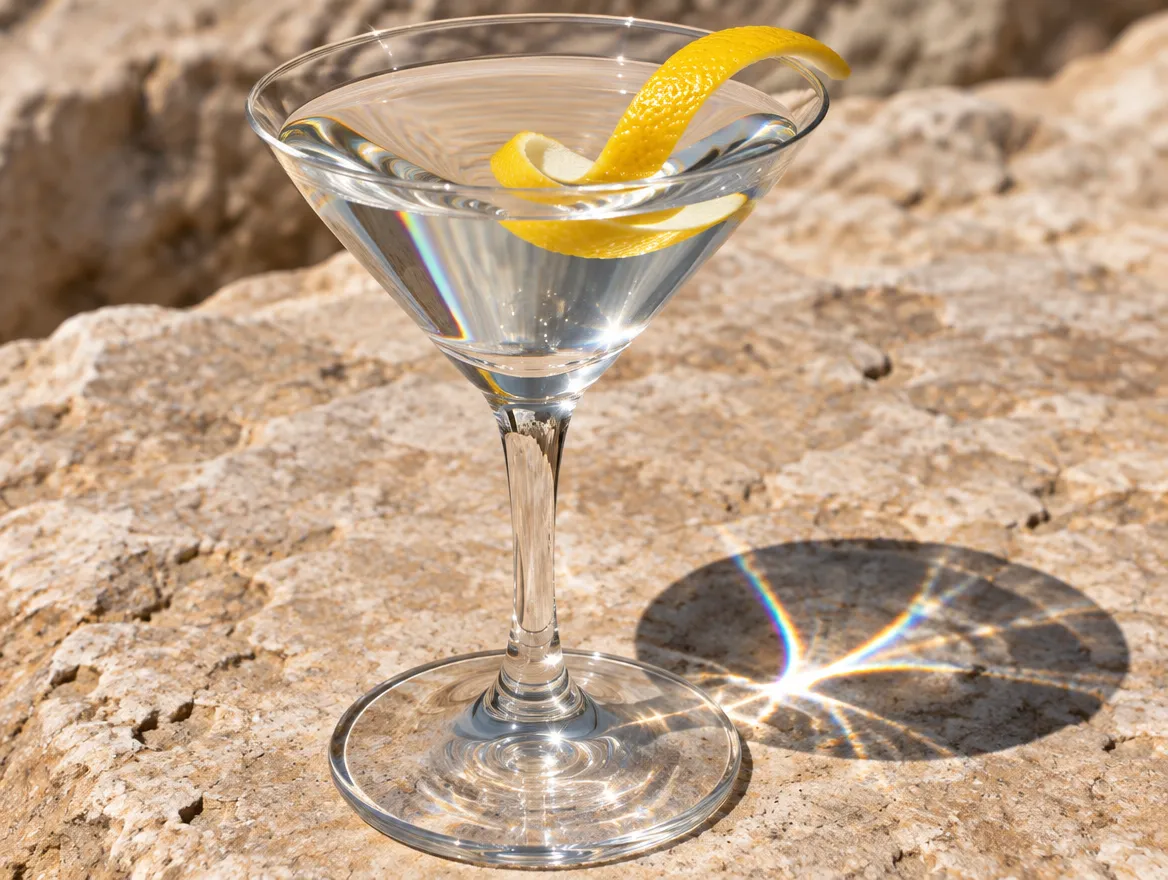
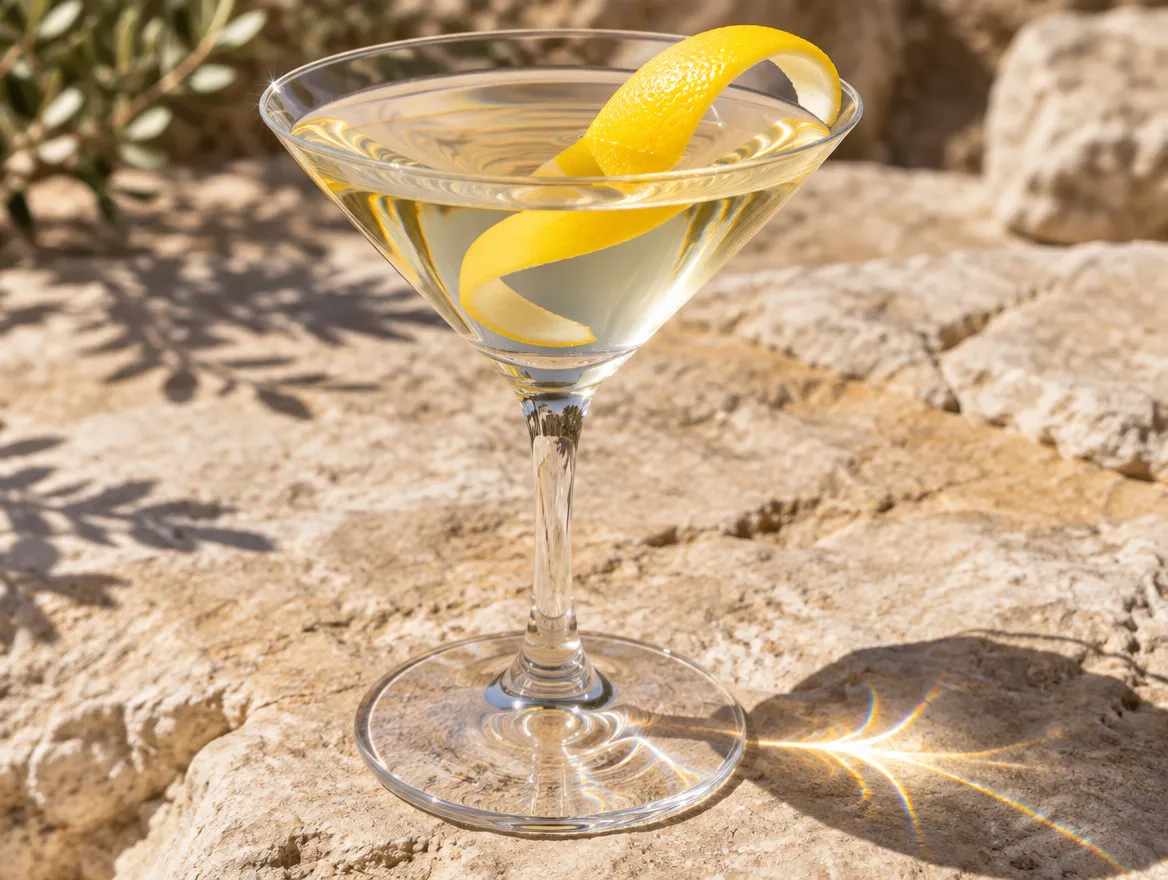
A dry martini is 60 ml gin and 15 ml dry vermouth, a ratio of 4 to 1, with a dash of orange bitters. Keep the gin in the freezer and put the glass in too. Stir with plenty of fresh, hard ice until the outside of the glass is frosted, then strain.
Finish with a twist of lemon peel, squeezed over the surface so the oils spray across it. Store opened vermouth in the fridge, because it is a fortified wine and goes stale within a few weeks.
Do not shake a dry martini, because shaking makes it cloudy and more diluted. If you prefer vodka, use it in place of gin and keep the method the same.
Dirty, Vesper and Martinez
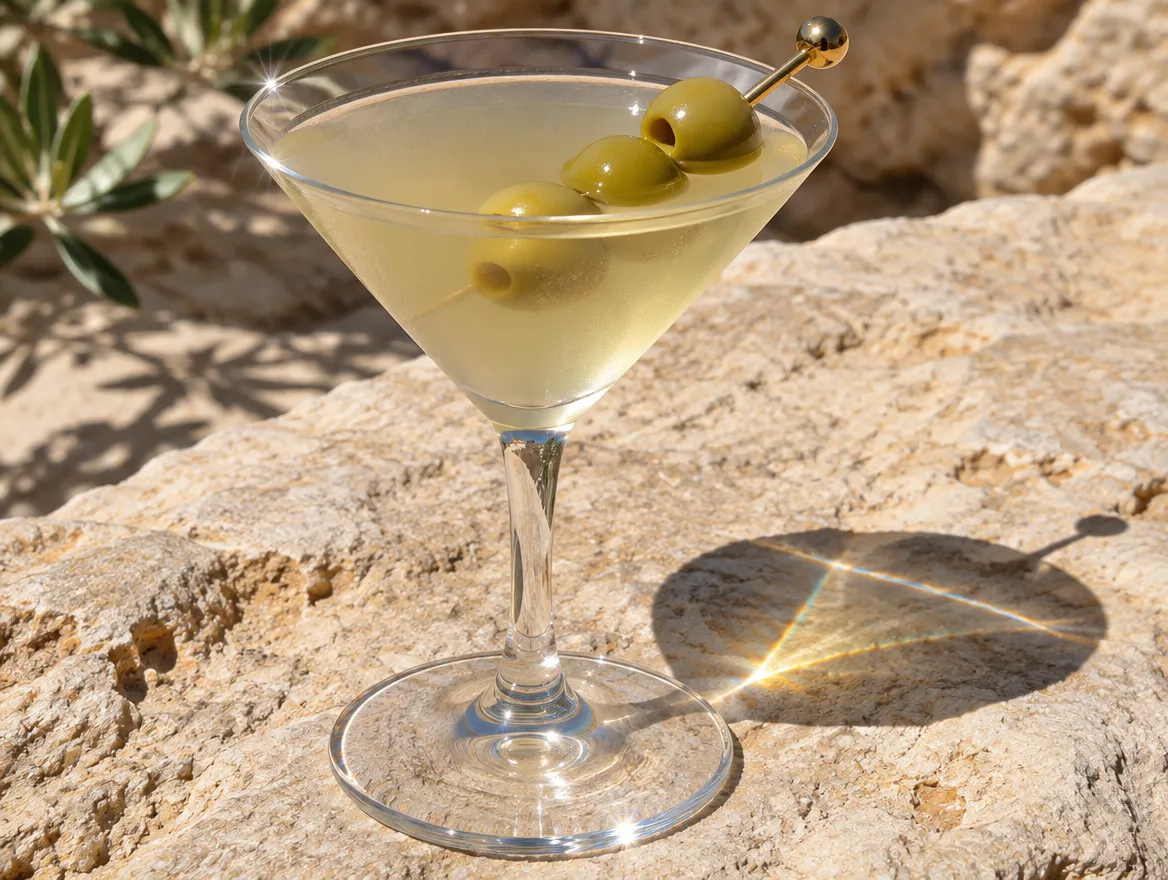
The dirty martini adds 10 ml of olive brine to 60 ml of gin or vodka and 10 ml of dry vermouth, with three green olives. The Vesper is 45 ml gin, 15 ml vodka and 7.5 ml Lillet Blanc.
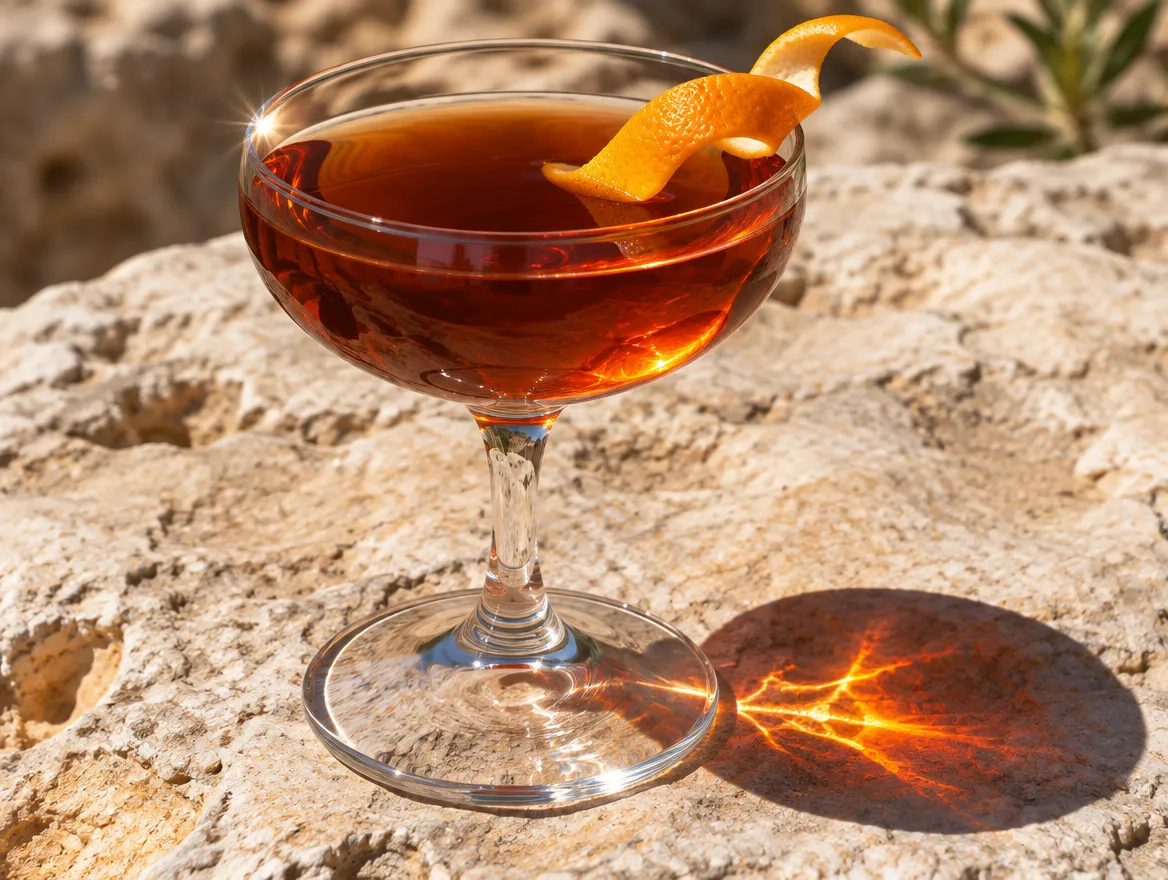
The Martinez is sweeter: 50 ml Old Tom gin, 25 ml sweet vermouth, a bar spoon of maraschino liqueur and two dashes of orange bitters. It is often seen as an ancestor of the dry martini, though the history is debated.
Shaken drinks served in a martini glass
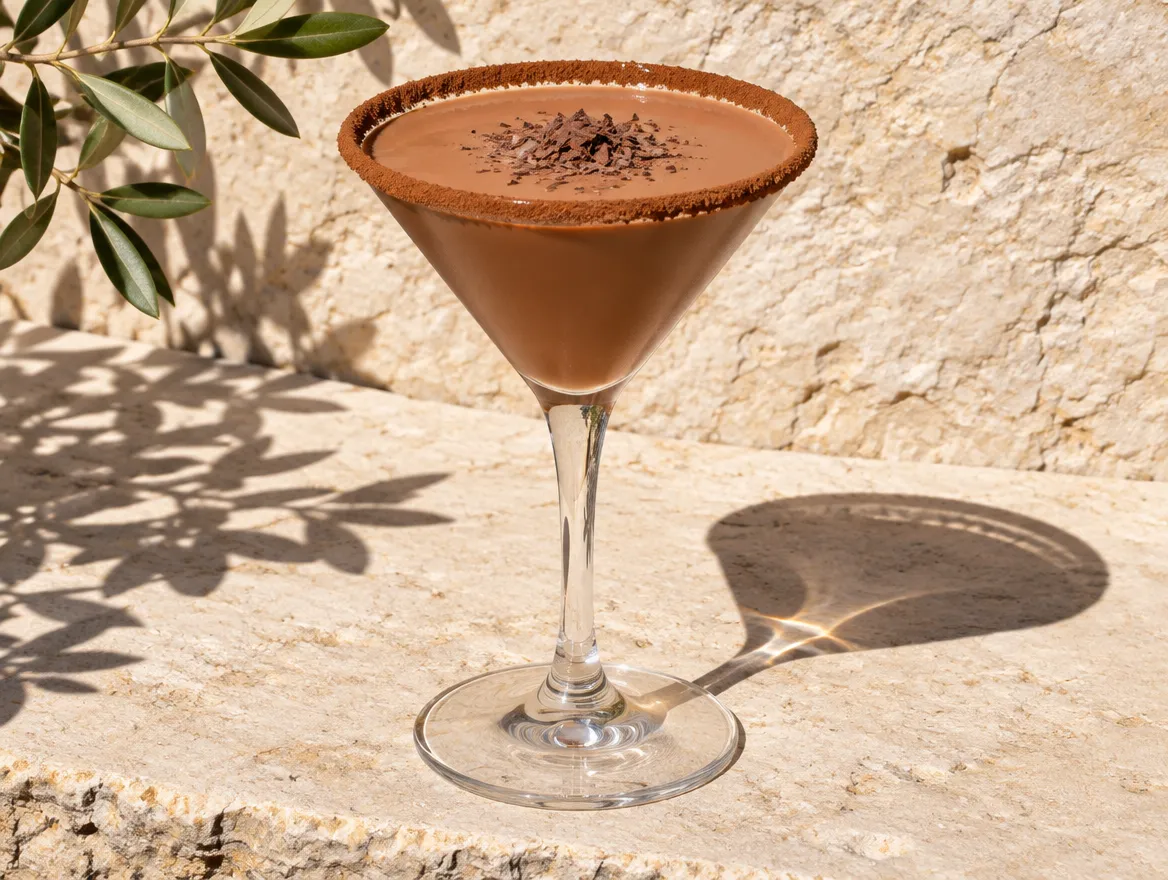
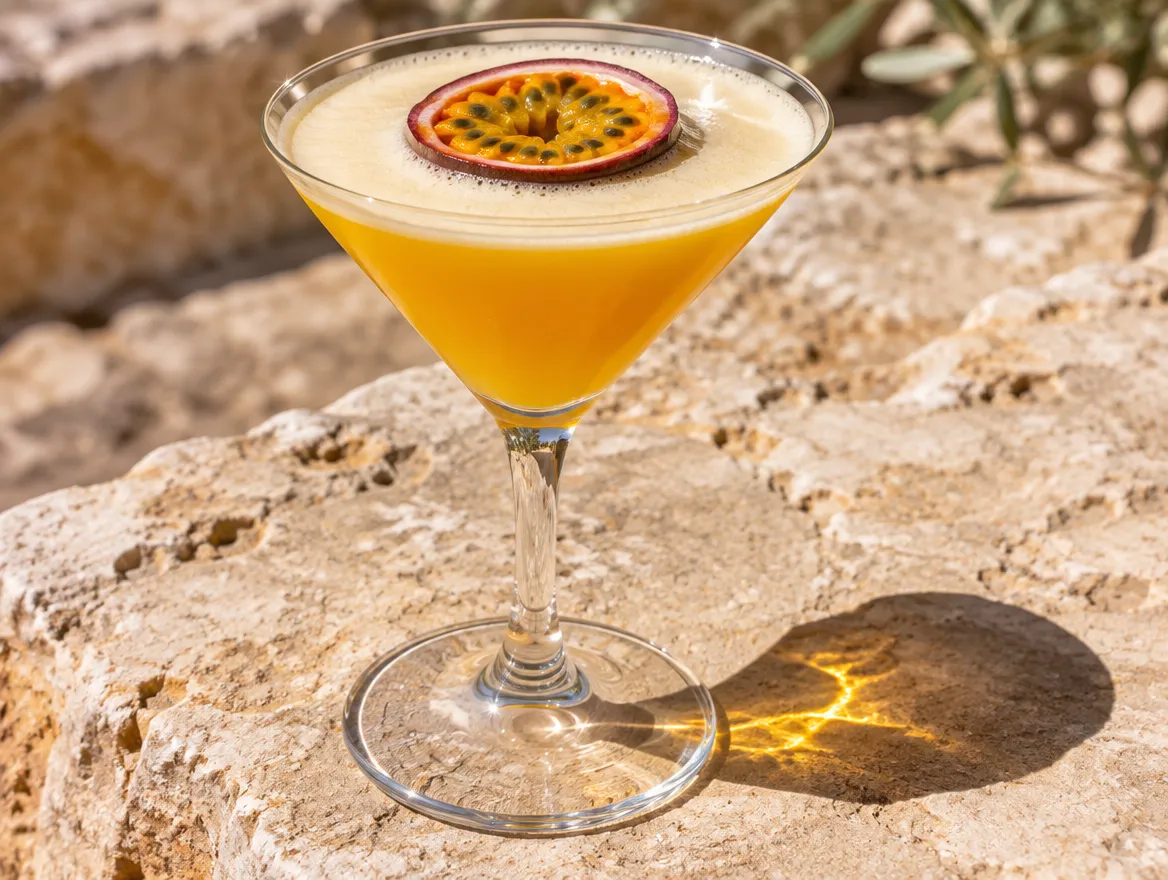
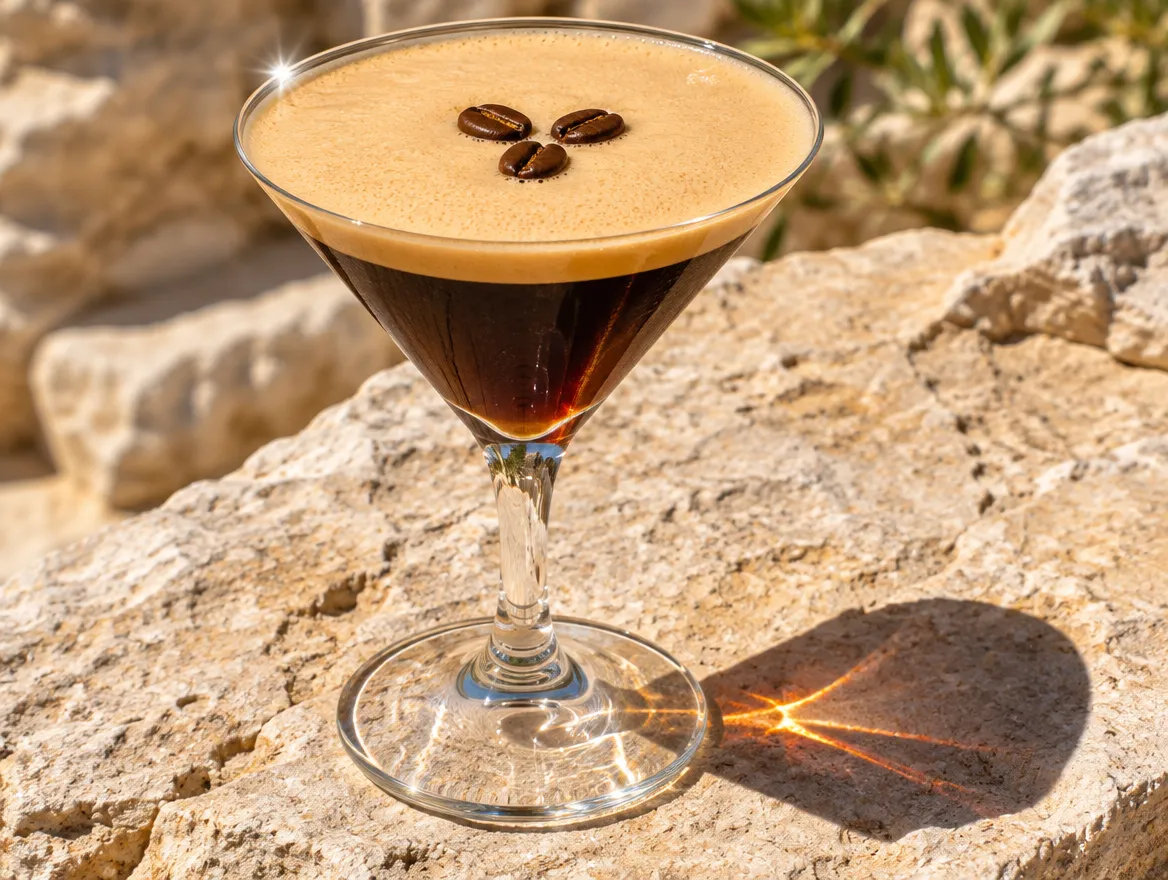
Many modern drinks borrow the name and the glass. The espresso martini is 40 ml vodka, 20 ml coffee liqueur and 30 ml fresh espresso. The Pornstar martini uses vanilla vodka, passion fruit and a small glass of prosecco on the side.
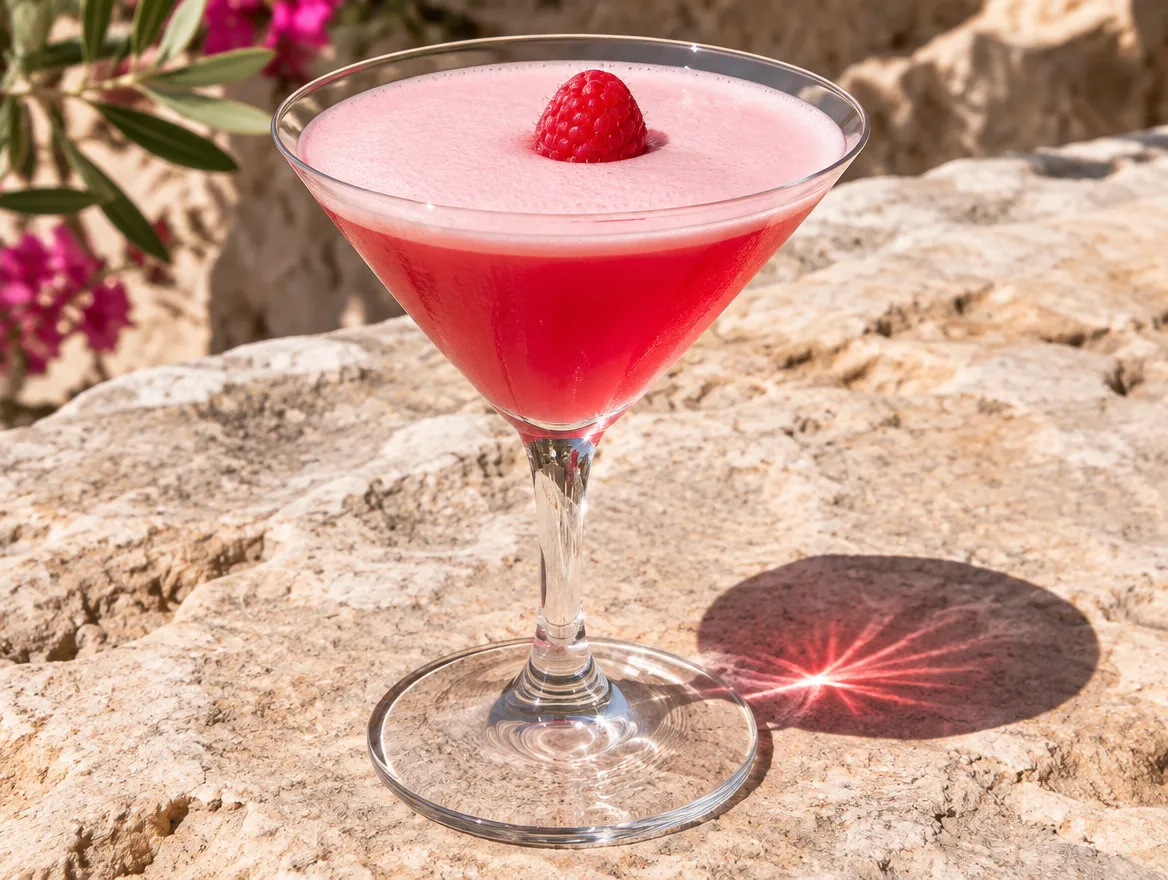
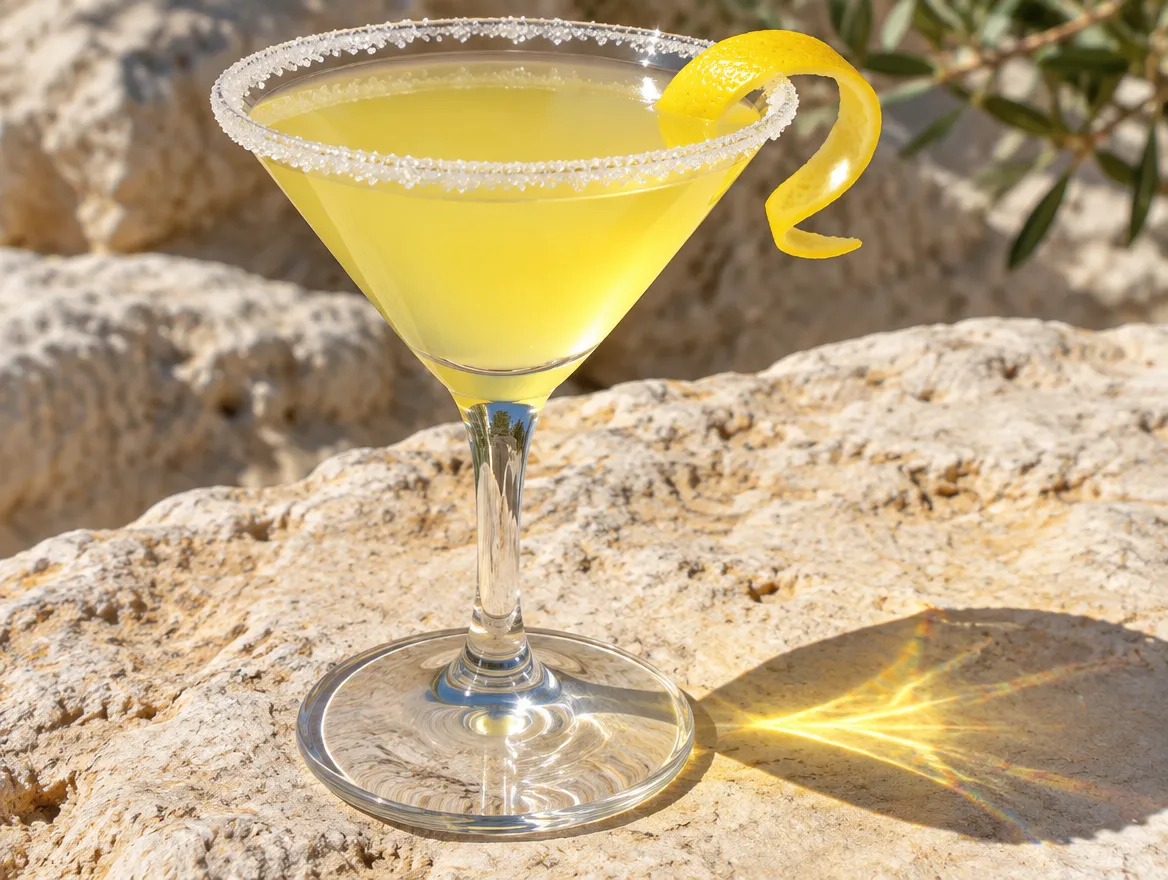
The Lemon Drop Martini is 50 ml vodka, 15 ml Cointreau, 25 ml lemon juice and 10 ml syrup, with a sugared rim. The French martini blends 40 ml vodka, 10 ml raspberry liqueur and 40 ml pineapple juice. All are shaken, not stirred.
Coffee, fruit and sugar hide the alcohol in these drinks, so they are easy to drink quickly. Pace yourself, and serve water alongside.
Which glass to use for a martini
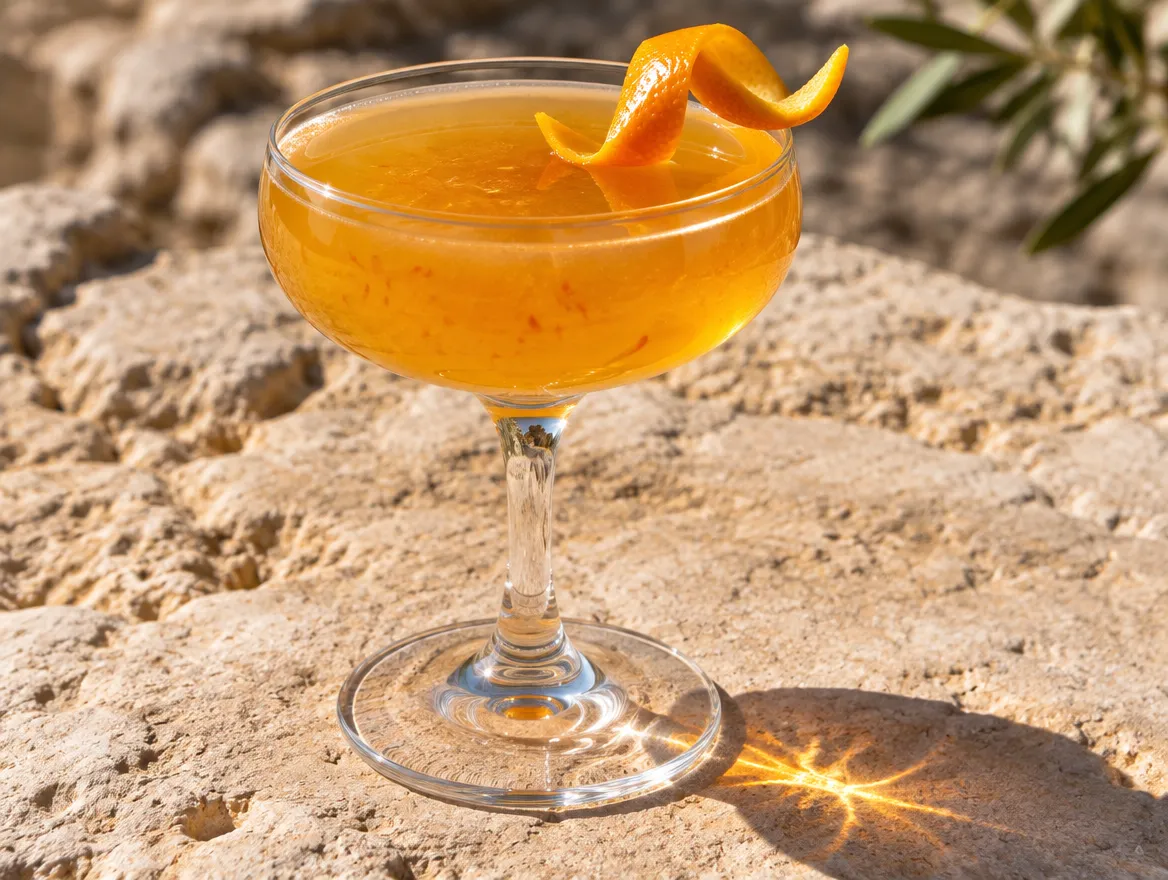
A V-shaped martini glass is the traditional choice. A coupe, with its rounded bowl, is easier to carry without spilling. Either way, chill the glass in the freezer for 10 minutes, or fill it with ice and water while you make the drink, because a martini warms quickly.
Martinis are mostly pure spirit, so a small pour is a sensible serve.
Questions people ask
What is in a dry martini?
A dry martini is gin and dry vermouth, stirred with ice and served in a chilled glass with a lemon twist or an olive. This recipe uses 60 ml of gin and 15 ml of dry vermouth, plus a dash of orange bitters.
Should a martini be shaken or stirred?
Stirred martinis, made with gin or vodka and vermouth, should be stirred. Stirring gives a clear, silky, very cold drink with controlled dilution. Shaken martini-glass drinks are different: those with juice, coffee, cream or liqueurs, such as an espresso martini, are shaken.
What is the ratio for a dry martini?
The ratio used here is 4 parts gin to 1 part dry vermouth: 60 ml of gin to 15 ml of vermouth. Add less vermouth for a drier drink or more for a softer one. Stir until the glass is frosted, then strain.
What is a dirty martini?
A dirty martini is a martini with olive brine added. This recipe uses 60 ml of gin or vodka, 10 ml of dry vermouth and 10 ml of olive brine, stirred with ice and served with three green olives.
What is a Vesper martini?
A Vesper is a martini made with both gin and vodka, plus Lillet Blanc instead of dry vermouth. This recipe uses 45 ml of gin, 15 ml of vodka and 7.5 ml of Lillet Blanc, stirred with ice and served with a lemon twist.
Is an espresso martini a real martini?
Not in the traditional sense. An espresso martini shares the glass with the classic martini, but it is vodka, coffee liqueur and espresso, shaken with ice for a thick foam. It belongs to the family of modern drinks named after the martini glass.