
Collections
Drinks grouped by how much effort you fancy and how you want to drink them.
- Easy cocktailsEasy cocktail recipes you can make at home in five minutes or less, with few ingredients and no special kit.52 recipes
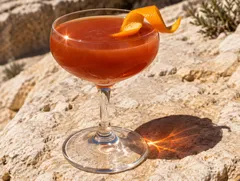
- Classic cocktailsThe classic cocktail recipes worth knowing, with UK measures: Negroni, Old Fashioned, Martini, Daiquiri, Margarita, Manhattan and more.38 recipes
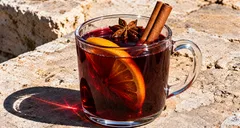
- Mulled and hot drinksHot cocktails and mulled drinks for cold nights: mulled wine, mulled cider, hot toddy, Irish coffee, hot buttered rum and more.11 recipes
- Three-ingredient cocktailsCocktails with three ingredients or fewer, not counting ice and garnish: Negroni, Daiquiri, Margarita, Old Fashioned, gin and tonic and more.62 recipes
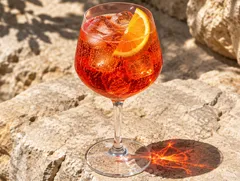
- Spritzes and low-alcohol cocktailsLighter cocktails for long afternoons: Aperol Spritz, Americano, Bellini, Paloma, Kir Royale and other low-alcohol drinks with UK measures.16 recipes
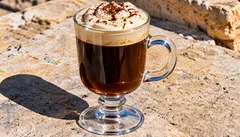
- After-dinner cocktailsAfter-dinner cocktails to finish a meal: Espresso Martini, White Russian, Brandy Alexander, Irish coffee, Rusty Nail, Old Fashioned and more.22 recipes
- Party and big-batch drinksBig-batch drinks for parties: punch, mulled wine, mulled cider and eggnog you can make ahead and serve to a crowd.13 recipes
- Pink cocktailsPink cocktail recipes with UK measures: Cosmopolitan, Clover Club, French Martini, Pink Gin and Tonic, Rossini and pink mocktails.16 recipes
- Cocktails for twoCocktails for two with UK measures: drinks that double easily in one shaker, blender or bottle, from the Espresso Martini to the French 75.19 recipes
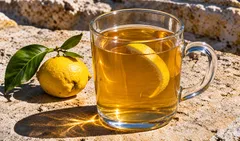
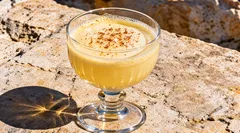
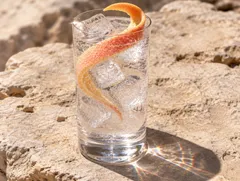

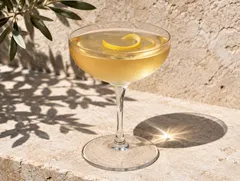
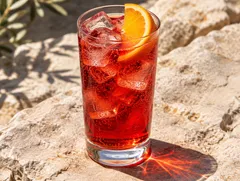
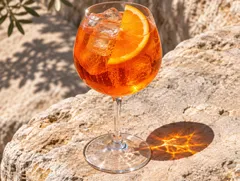
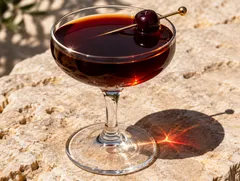
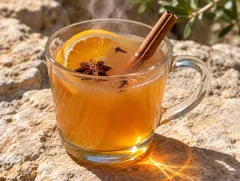
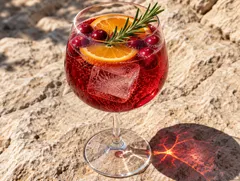
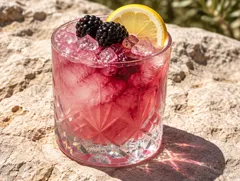
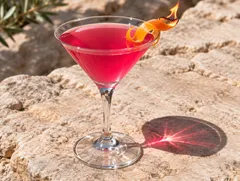
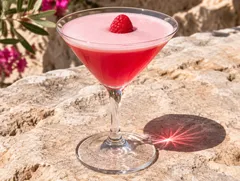
How to choose a collection by effort
If you want the least work, start with easy cocktails. These are built in the glass, with no shaker. A gin and tonic is the model: spirit, tonic, ice and a wedge of lime. Three-ingredient cocktails are also short on ingredients, but some of them need shaking, so they take slightly more skill. Measure each one, because with a short ingredient list the ratio is the whole recipe.
If you want to learn technique, work through classic cocktails. They teach shaking, stirring and balance, and the rest of the site is easier once you know them. For a crowd, party and big-batch drinks take effort before guests arrive, then almost none while they are there.
How to choose a collection by mood
Think about when you will drink it. For a long afternoon, spritzes and low-alcohol cocktails are lighter and fizzier. They still contain alcohol, so pace yourself.
At the end of a meal, after-dinner cocktails are small, rich and slow to drink. On a cold evening, mulled and hot drinks are the obvious choice. Several of these pages also include alcohol-free options, so nobody at the table is left with plain squash.
A sensible order to work through
A good order is easy drinks first, then three-ingredient drinks, then the classics. Each step adds one skill: building a drink over ice, measuring ratios carefully, then shaking or stirring correctly.
A jigger, a tall glass and fresh citrus will cover the first two. Add a shaker when you reach the sours, and a bar spoon or a long teaspoon for stirred drinks. You do not have to finish one collection before you start another, and many drinks, such as the Daiquiri, suit more than one list.
Collection pages or spirit pages
Use a collection when you know the situation but not the drink. You might want something quick for a weeknight, a drink to finish a meal or a pan to keep warm for guests. The collection narrows the choice by effort and mood, whatever bottle is in the cupboard.
Use the spirit pages when you start from a bottle, and the drink families when you want to understand a pattern such as the sour. Both routes lead to the same recipes, so pick whichever question you can answer more easily.
Questions people ask
What are the easiest cocktails to make at home?
The easiest cocktails are built in the glass over ice with two or three ingredients, such as a gin and tonic or a Moscow mule. They need no shaker and no special technique. Use plenty of ice, chilled mixers and a measure, and they taste better than they sound.
What is the difference between easy cocktails and three-ingredient cocktails?
Easy cocktails are defined by technique, because they are built in the glass with no shaking. Three-ingredient cocktails are defined by the length of the recipe. Some, such as the Daiquiri and the Margarita, need a shaker, so a short list does not always mean the drink is simple.
Which classic cocktails should I learn first?
Learn the Daiquiri, Old Fashioned and Negroni first. Together they teach shaking, stirring and balance. After that, add the dry martini and the Margarita. Once you can make those five well, most other classics are small variations on the same ideas.
What is a good cocktail for a long afternoon?
A spritz is a good choice, such as an Aperol spritz, because it is mostly sparkling wine and soda over ice. It is lighter than a stirred spirit drink, but it still contains alcohol. Alternate with water, and keep an alcohol-free option on the table.
What is a good cocktail to serve after dinner?
Choose something small, rich and not too sweet. Coffee and cream drinks such as a White Russian act as dessert, while stirred whisky or brandy drinks suit people who skip cream. Serve them in small glasses, and offer an alcohol-free option as well.
What is the best drink for a party?
A big-batch drink you can make ahead is best, such as a punch in summer or mulled wine in winter. You mix it once and serve it from a jug or pan. Check how many people each recipe serves, and scale it up before guests arrive.