
Dry January drinks
Taking January off does not mean drinking squash. These are grown-up drinks with balance and bite, using fresh citrus, bitterness and spice in place of alcohol.
For support with cutting down, visit drinkaware.co.uk.
23 recipes · page 1 of 2
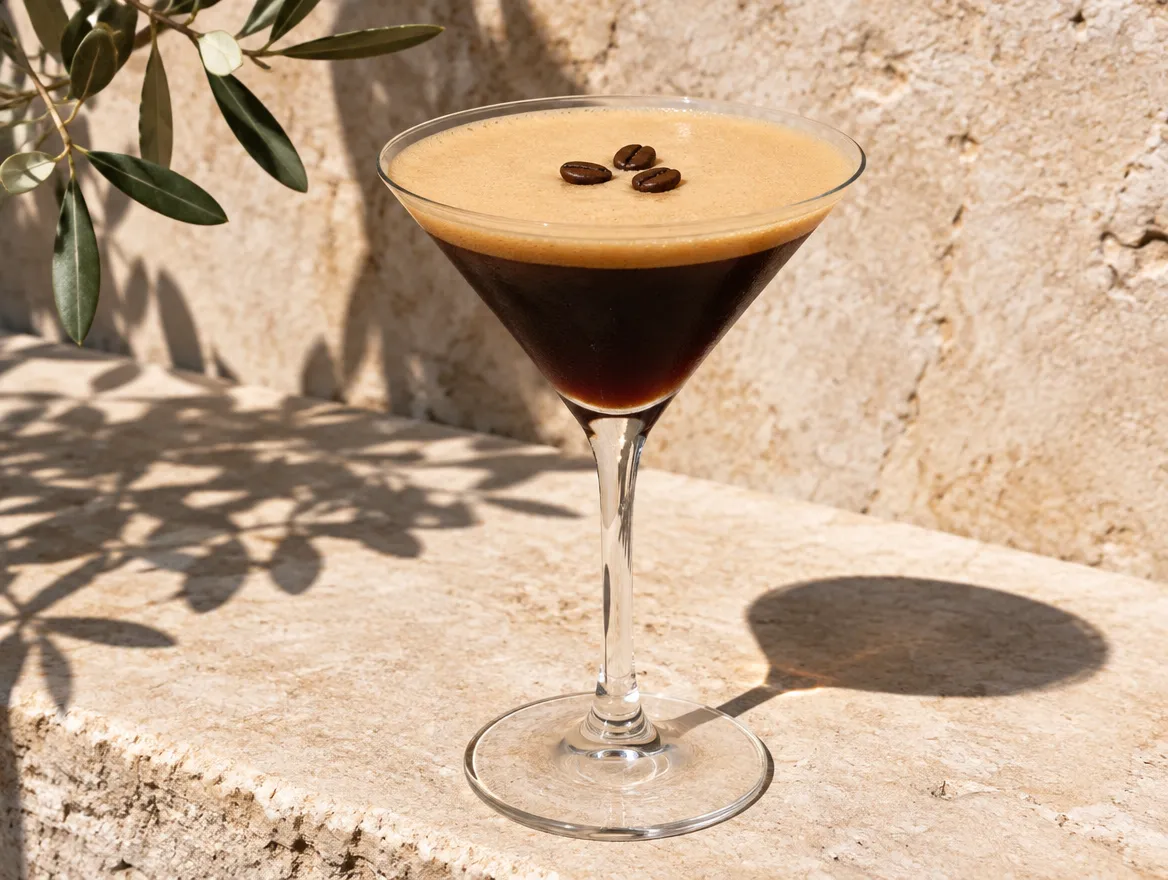 Alcohol-free espresso martini
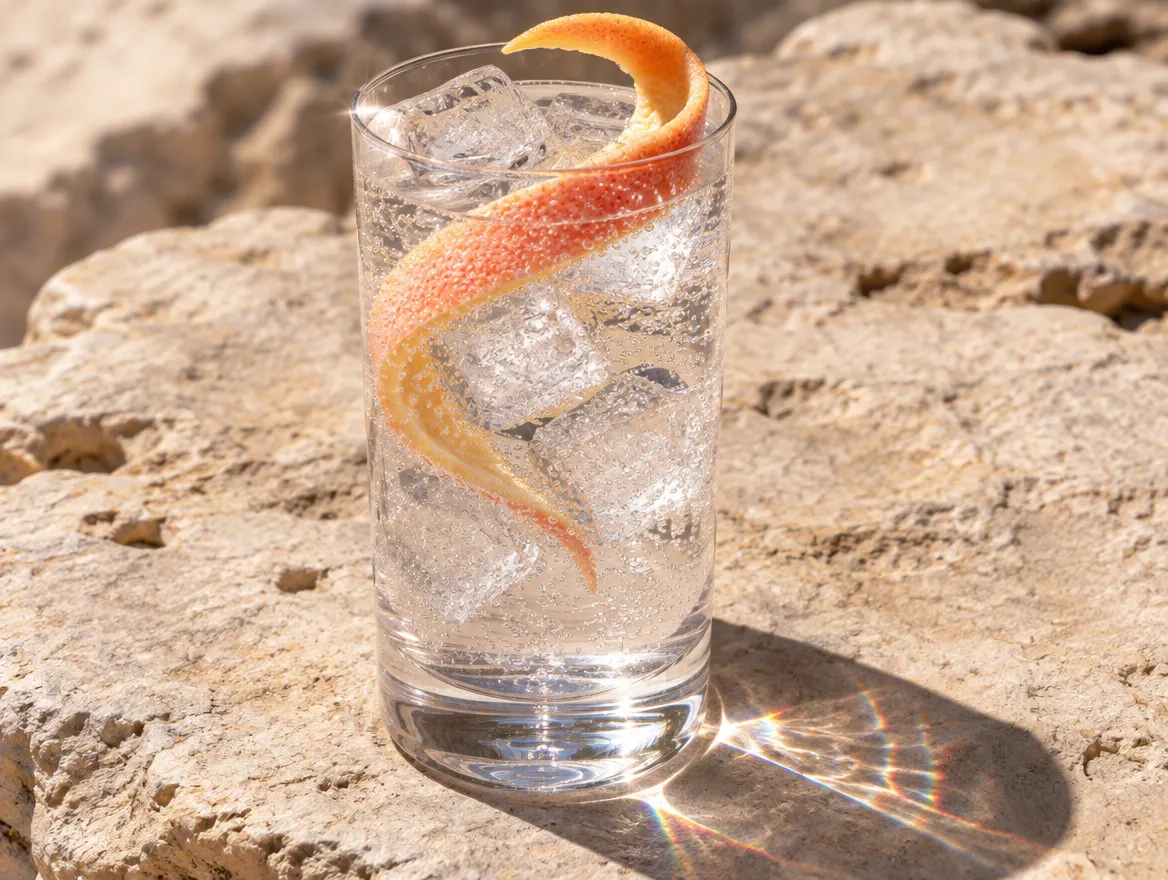 Alcohol-free gin and tonic
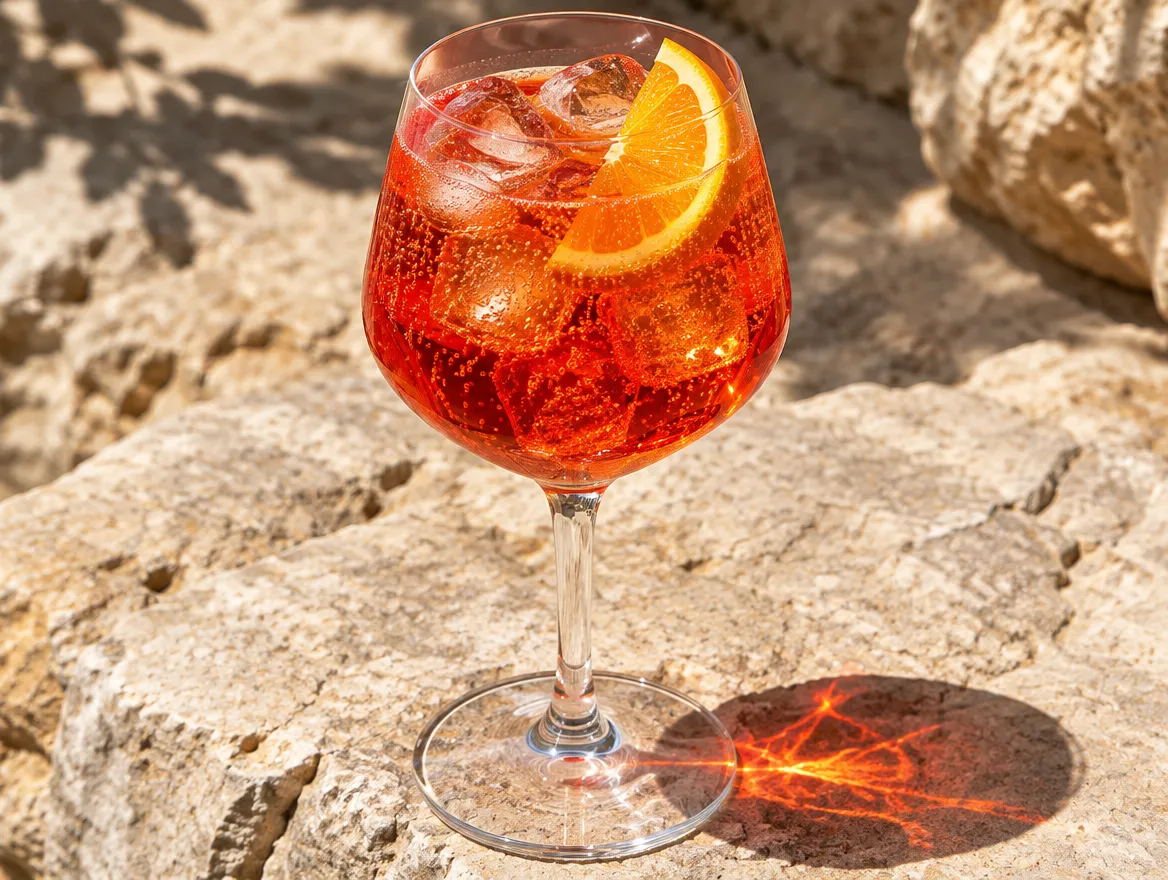 Alcohol-free Negroni spritz
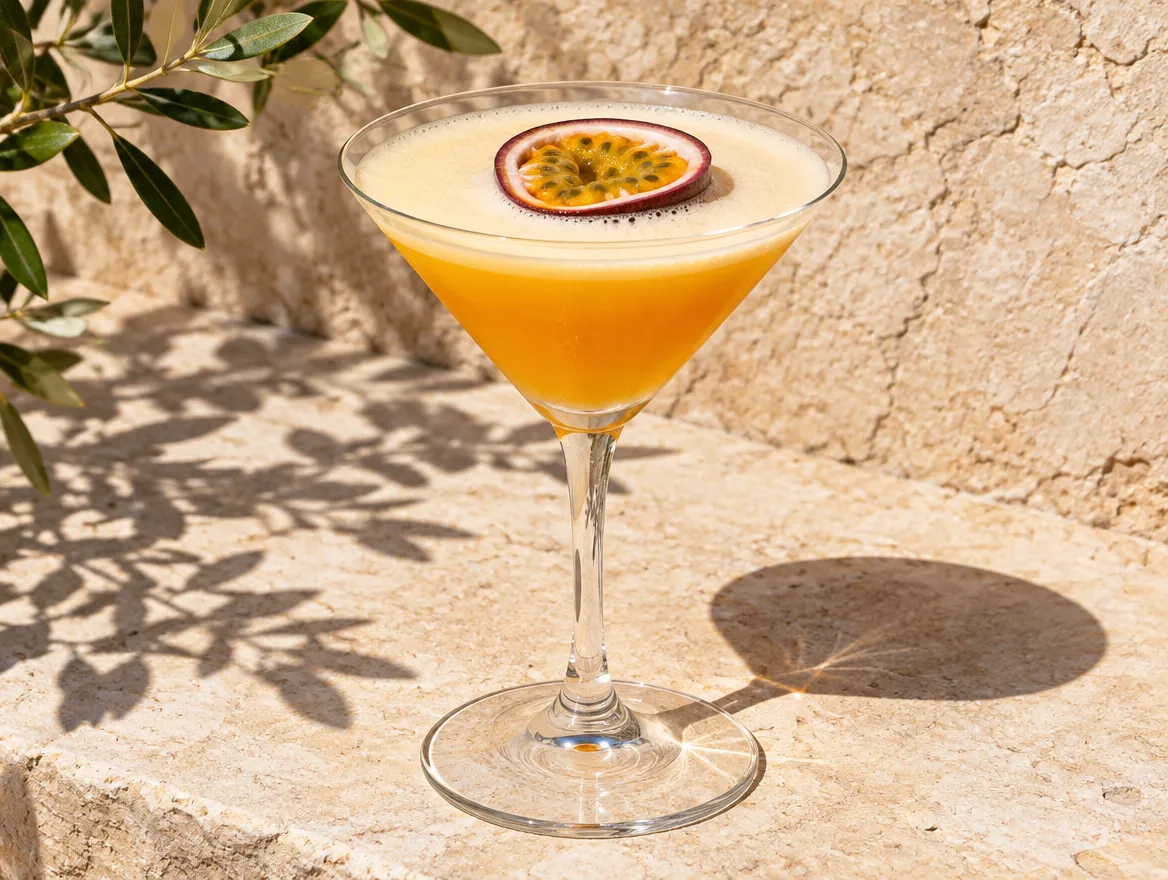 Alcohol-free passion fruit martini
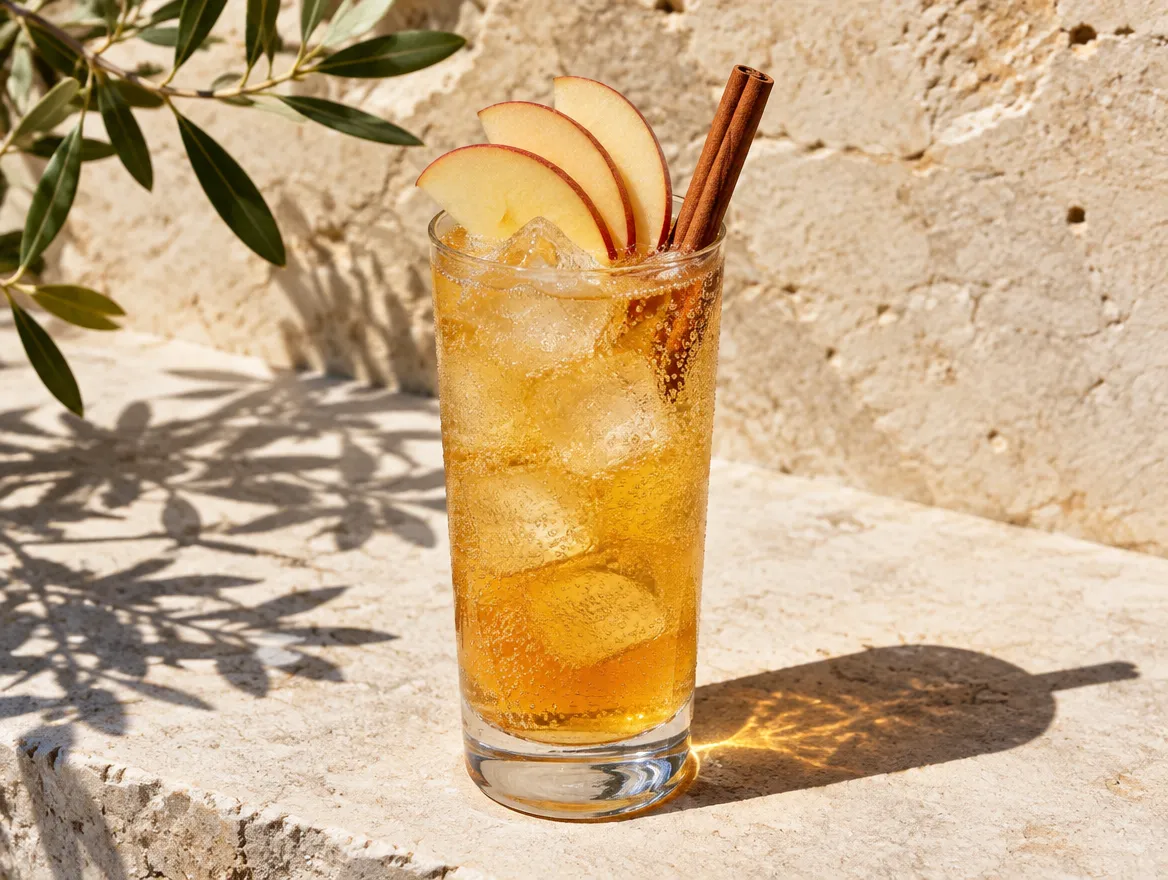 Apple, ginger and cinnamon fizz
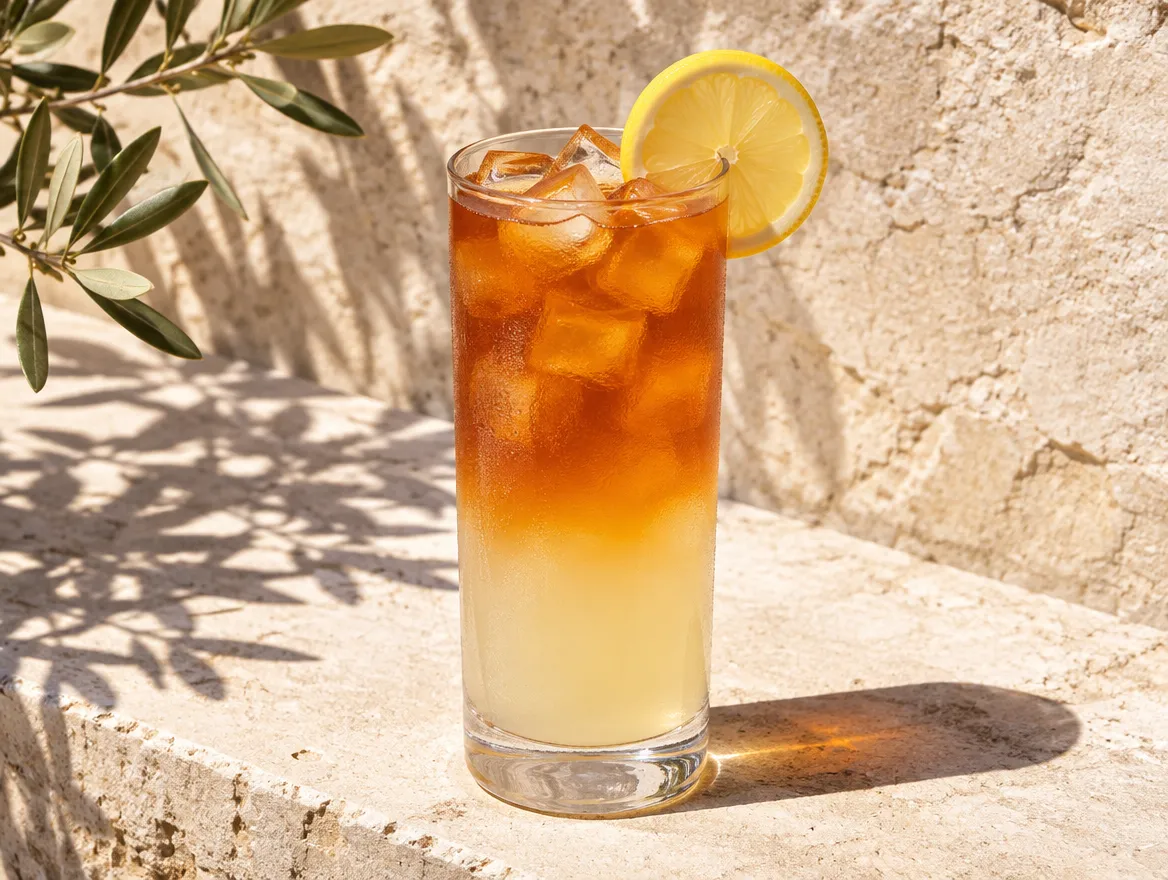 Arnold Palmer
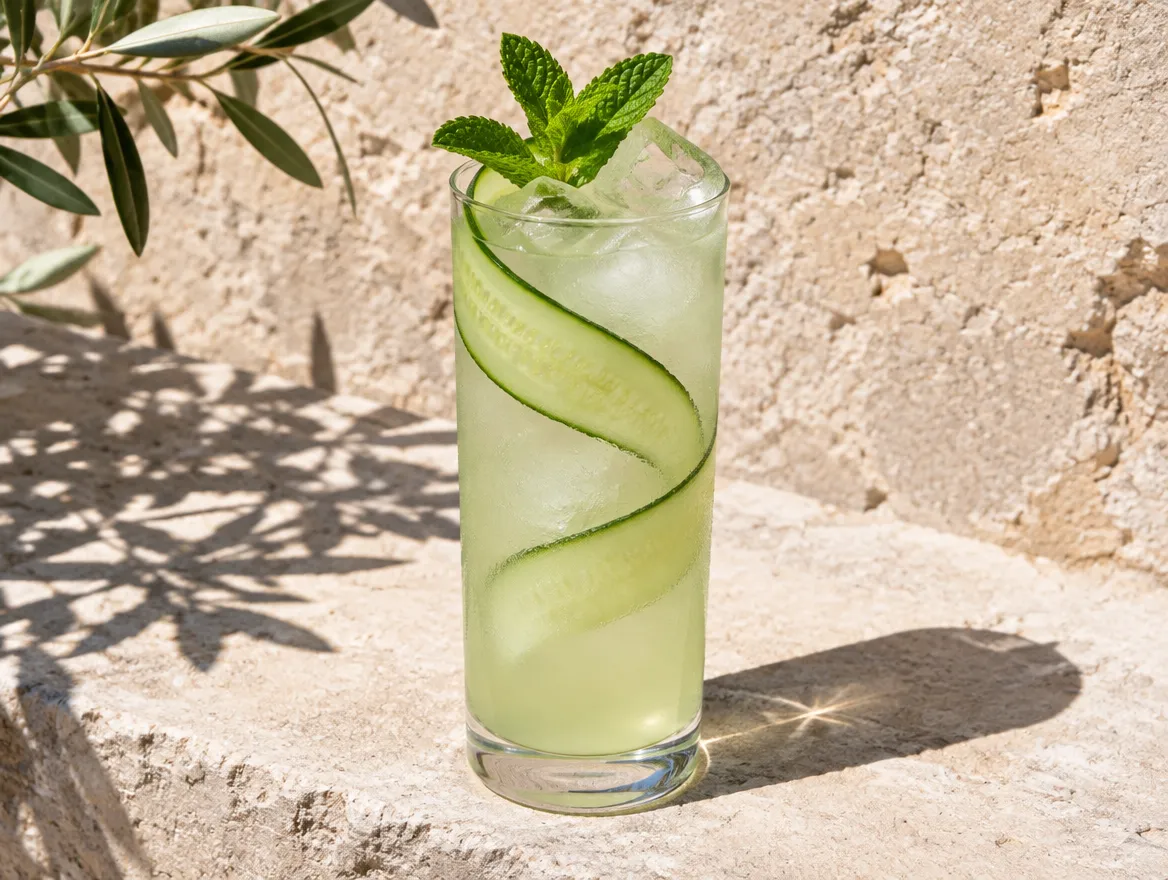 Cucumber and mint cooler
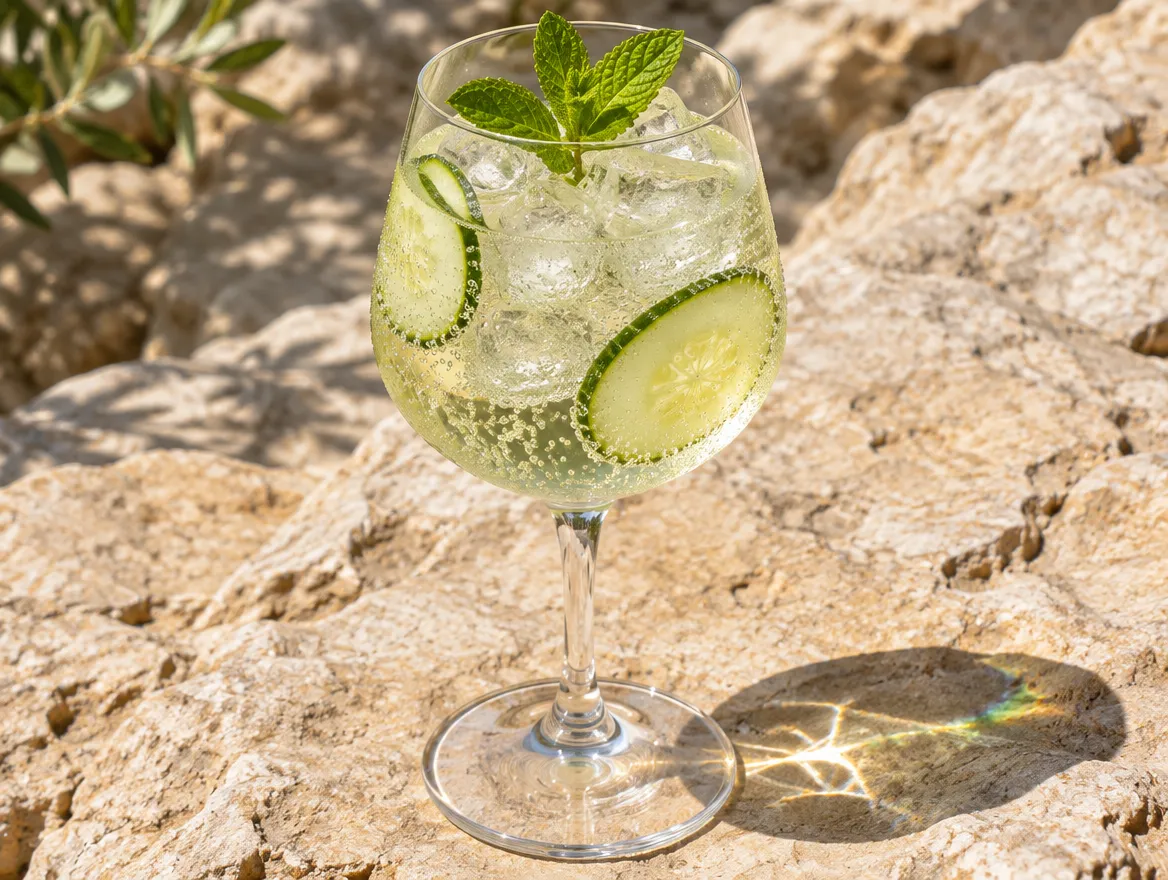 Elderflower spritz
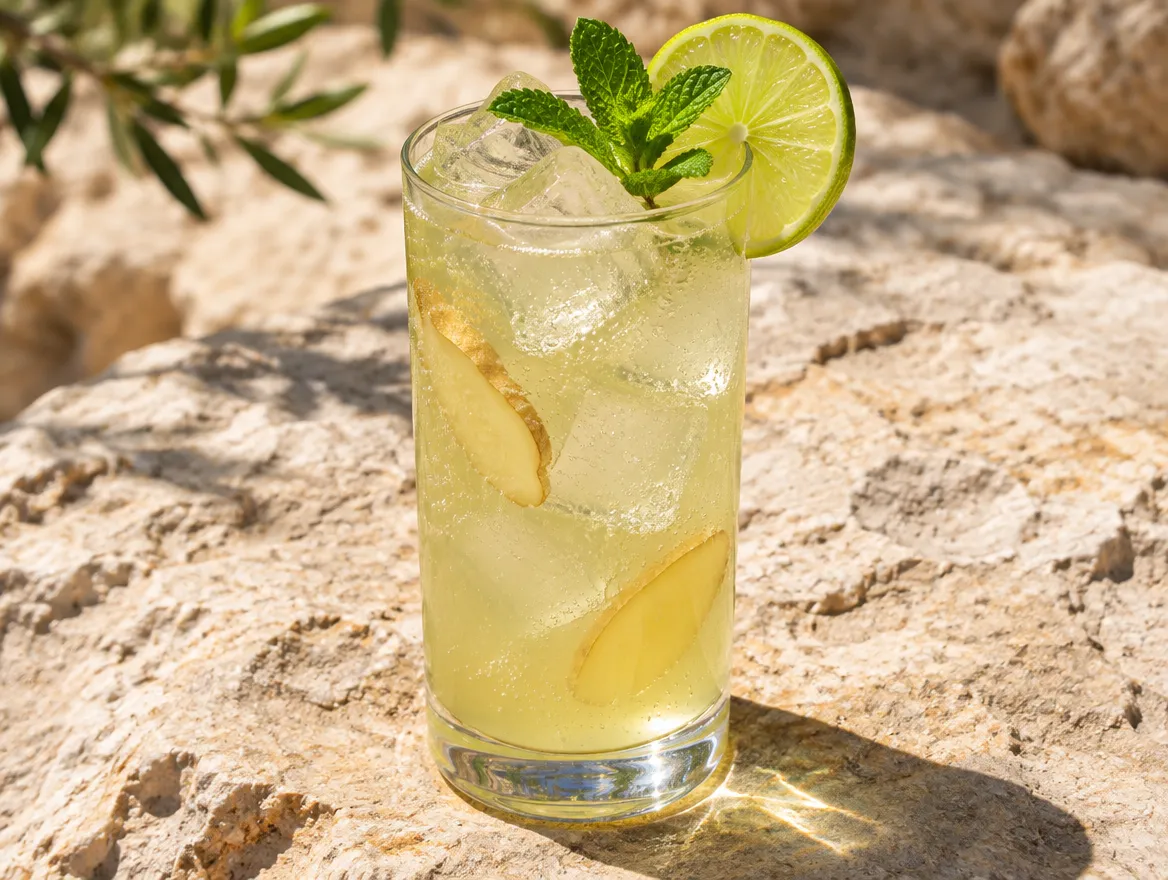 Ginger and lime cooler
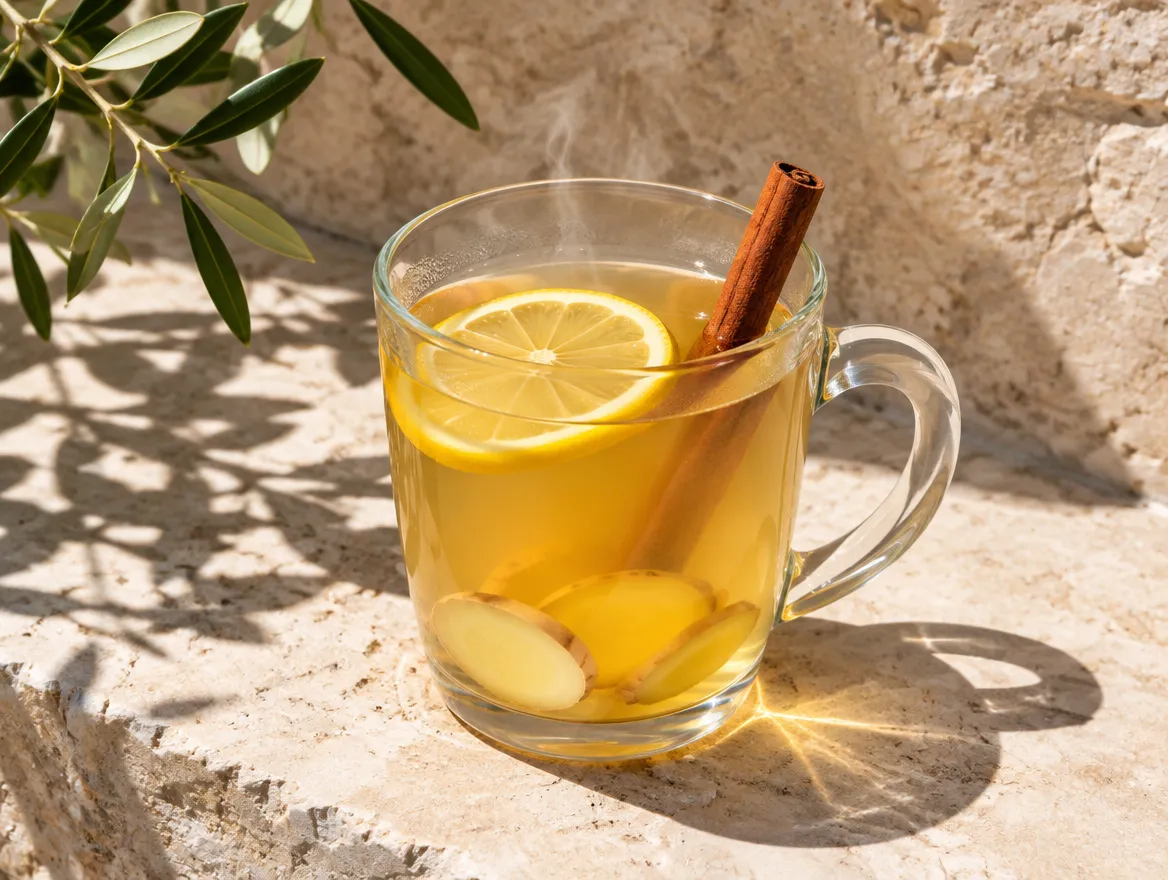 Hot lemon, honey and ginger
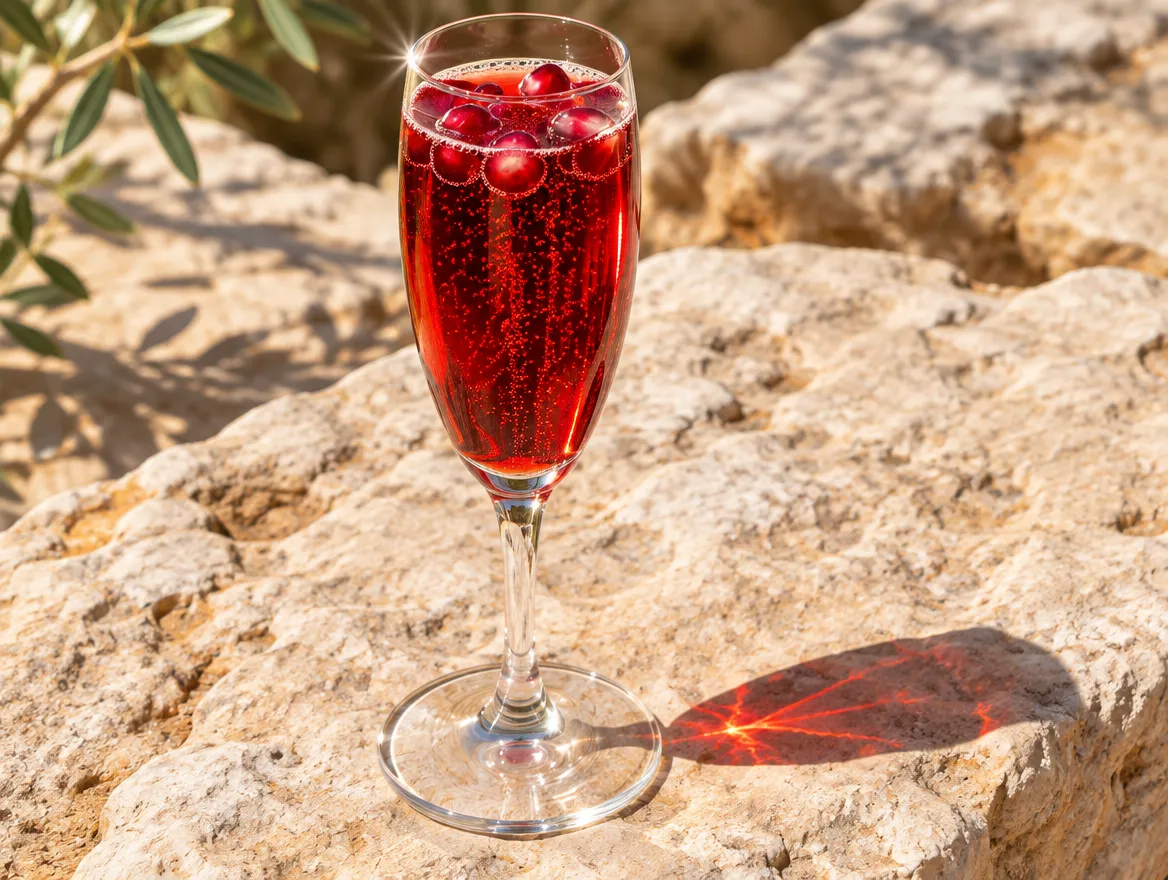 Pomegranate sparkler
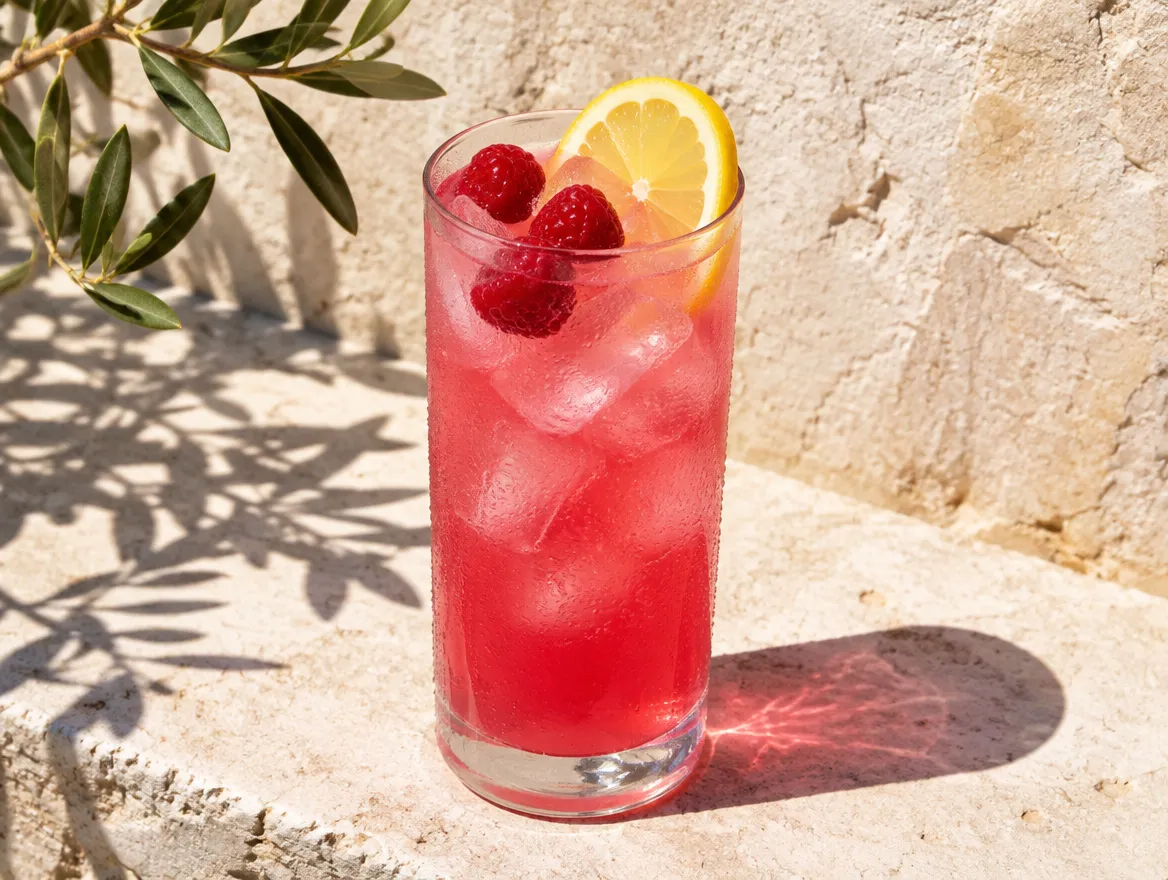 Raspberry lemonade
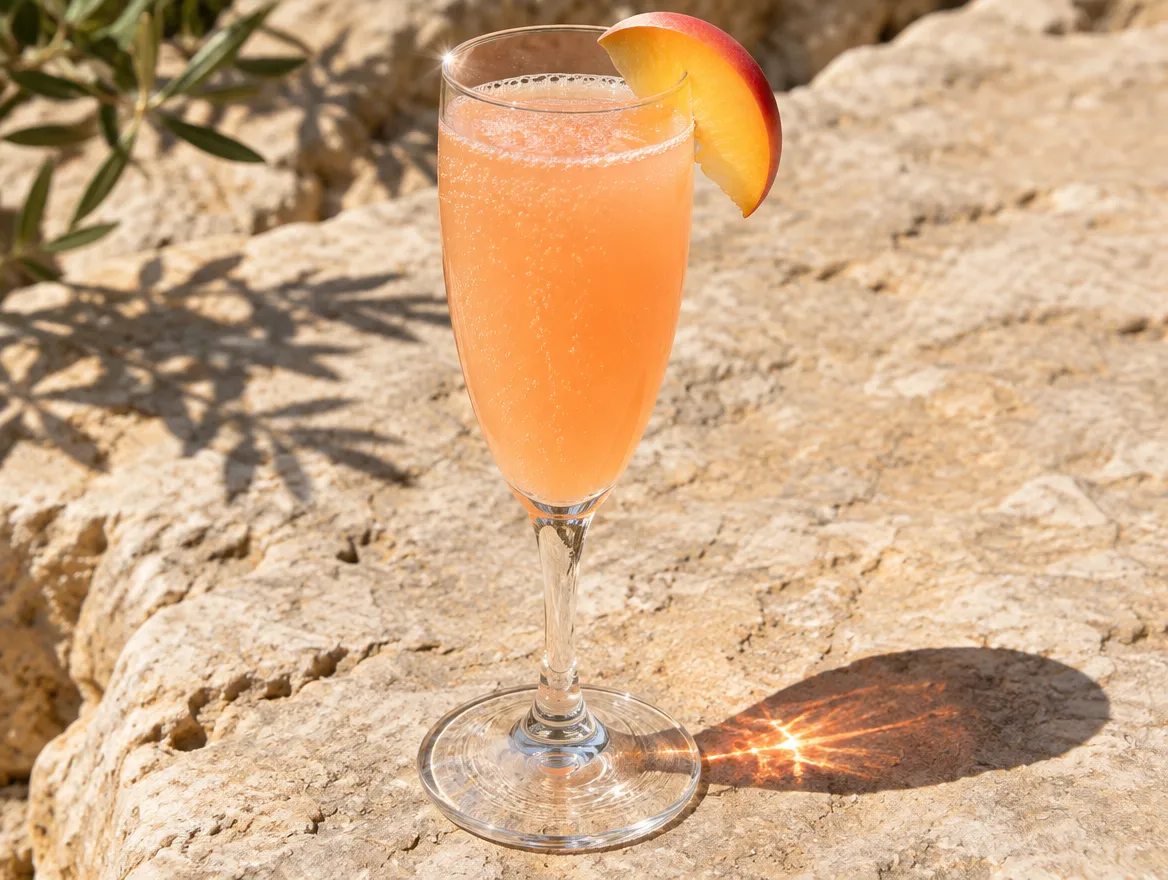 Virgin Bellini
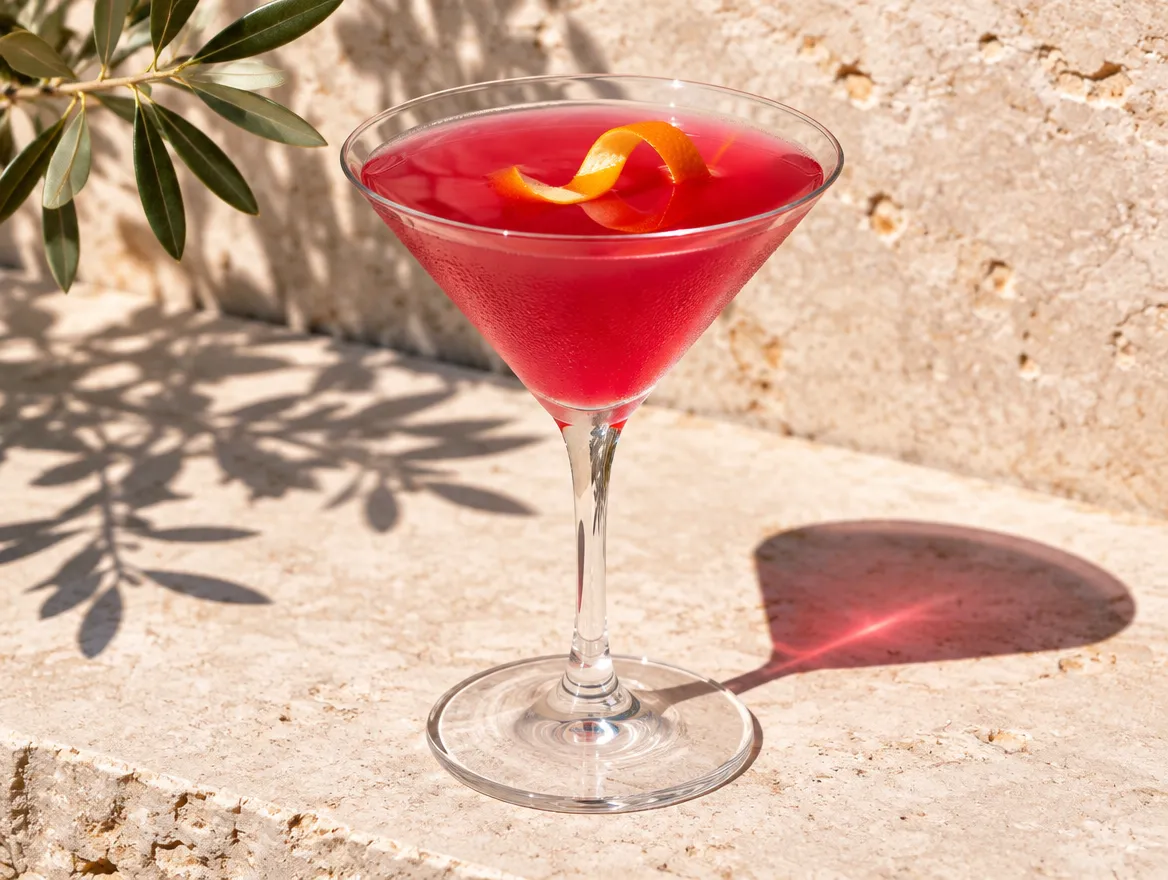 Virgin cosmopolitan
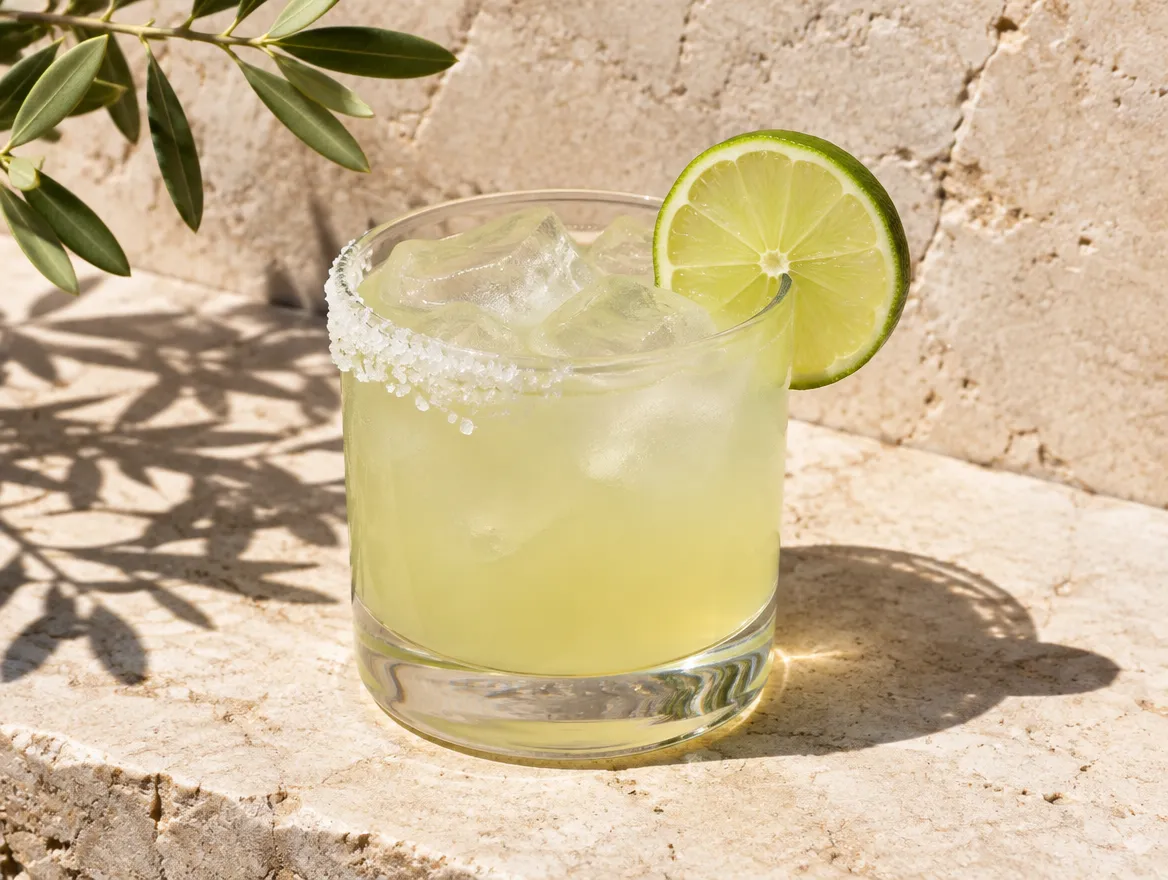 Virgin margarita
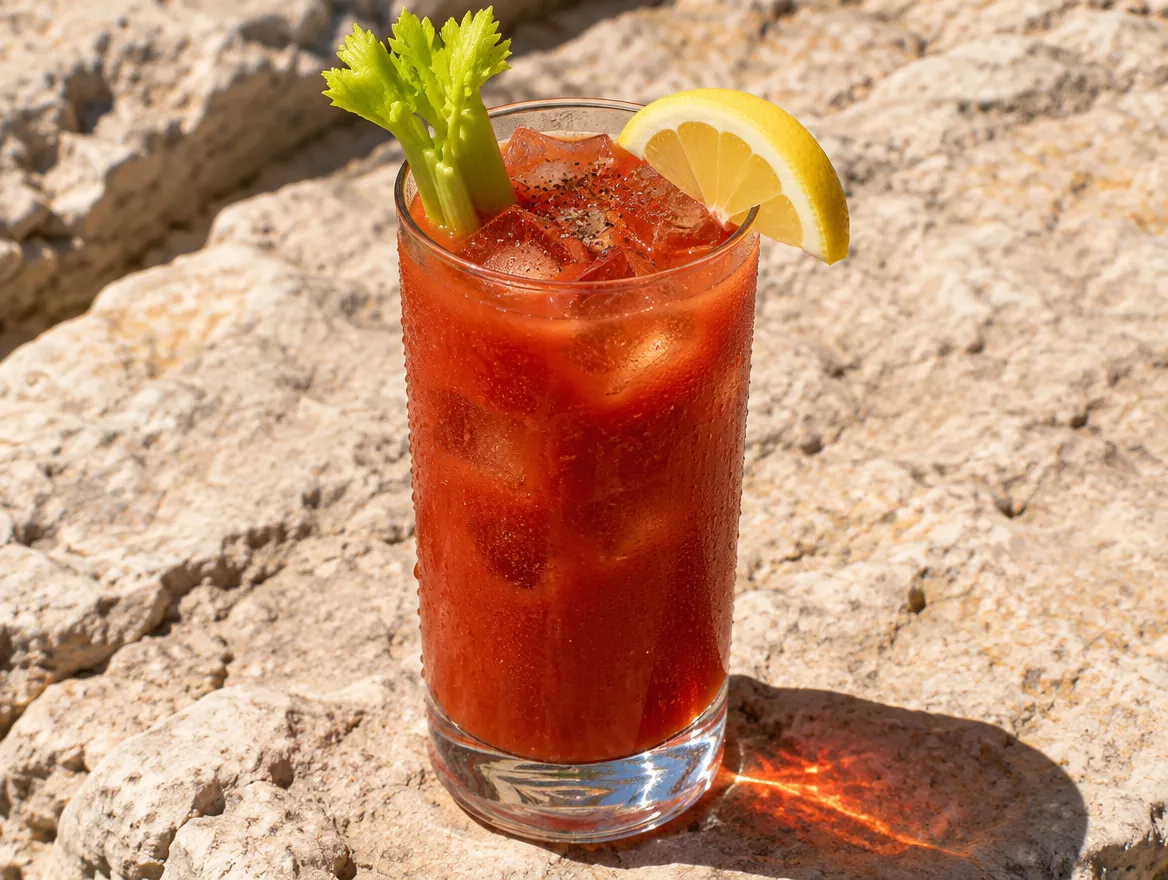 Virgin Mary
What to drink during Dry January
Dry January means going without alcohol for the whole of January. The hard part is not the evenings you are busy but the ones when you would normally pour a glass, so it helps to have a replacement drink in mind. Aim for drinks with structure: sharp citrus, bitterness, spice, fizz or savoury depth, rather than something that tastes like sweet juice.
Savoury is the easiest route. The Virgin Mary is 150 ml chilled tomato juice with lemon juice, Worcestershire sauce, hot sauce, olive brine, salt and pepper, and it should taste sharp and lively. For fizz and bitterness, the alcohol-free Negroni spritz combines an alcohol-free bitter aperitif with alcohol-free gin and sparkling wine.
Do you need alcohol-free spirits?
Not for most of these. Coolers such as the cucumber and mint cooler, raspberry lemonade and ginger and lime cooler rely on fresh fruit, ginger beer and soda water, and need no special bottles. Alcohol-free spirits are worth buying only for drinks that depend on them, such as the alcohol-free gin and tonic.
Alcohol-free gins are lighter than the real thing, so use a dry or slimline tonic, keep it cold and open a fresh bottle for each round. A strong-smelling garnish such as grapefruit peel helps.
Read the label. Labels such as alcohol-free and low alcohol can still allow a trace of alcohol, and the UK limits for each wording have been under review. If you want none at all, check the exact ABV on the bottle.
Weeknight drinks that feel like a treat
A good drink makes the evening feel less like a gap. Make a jug of Arnold Palmer by brewing strong black tea the night before and chilling it, then pouring it over ice with lemonade and lemon juice. Fresh ginger, honey and lemon in a mug is a warming alternative on a cold night.
For something more like a cocktail, the alcohol-free espresso martini uses 60 ml cooled espresso, vanilla syrup and a pinch of salt, shaken hard so it foams. Use proper glasses and plenty of ice. A drink in a nice glass is more satisfying than one in a pint tumbler, and it makes the month feel less like deprivation.
Questions people ask
What is Dry January?
Dry January is a challenge to give up alcohol for the whole of January. It is run in the UK by the charity Alcohol Change UK. Many people do it alone, with friends or with a work team, and it works best when you plan replacement drinks.
What can I drink instead of alcohol in Dry January?
Choose drinks that give you something to taste: sharp, bitter, spicy or savoury. A Virgin Mary, an alcohol-free G&T, a cucumber and mint cooler and a hot lemon, honey and ginger all work. Serve them in proper glasses with ice and a garnish.
What is the difference between alcohol-free and low alcohol in the UK?
Labels such as alcohol-free and low alcohol can still allow a trace of alcohol, and the UK limits for each wording have been under review. If you want to avoid alcohol completely, check the ABV on the label instead of relying on the wording.
Are alcohol-free spirits worth buying?
They are worth it for drinks that depend on the spirit, such as a gin and tonic or a Negroni spritz, but not for everything. They are lighter than the real thing, so pair them with a dry tonic or bitter aperitif, and keep mixers cold and fresh.
How do I make an alcohol-free drink less sweet?
Add fresh citrus, soda water, strong tea or a bitter ingredient, and use less syrup than you think you need. A tiny pinch of salt also makes ginger and lime taste brighter. Taste as you go and adjust before serving.
What is a good Dry January drink for a night in?
The alcohol-free espresso martini is a good evening drink. It uses 60 ml cooled espresso, 20 ml vanilla syrup, 5 ml sugar syrup and a pinch of salt, shaken hard with plenty of ice so it foams.