
Gin cocktails
Gin is the most useful bottle in a home bar. Its juniper and citrus work with almost anything: tonic, lemon, vermouth, bitter Italian aperitifs or a splash of fruit liqueur.
A London dry gin covers every recipe here. Start with the easy long drinks, then try the stirred classics.
26 recipes · page 1 of 2

Which gin to use for cocktails
A London dry gin is the right choice for almost every gin cocktail. It tastes mainly of juniper and citrus, has no meaningful added sweetening, and keeps its character when you add tonic, lemon or vermouth. Most recipes here name it, from the gin and tonic to the Martini.
Old Tom gin is slightly sweeter and suits the Martinez, though London dry works there too. Navy strength gin, bottled at around 57% ABV, stands up to fruit and sugar, but no drink on this page needs it. For mixing, buy a gin you would happily sip over ice.
Should gin cocktails be shaken or stirred
The rule of thumb is simple. Drinks made only from spirits, vermouth and liqueurs are stirred, so they stay clear and silky. Drinks with citrus juice, egg white or cream are shaken, so everything blends properly and gets properly cold.
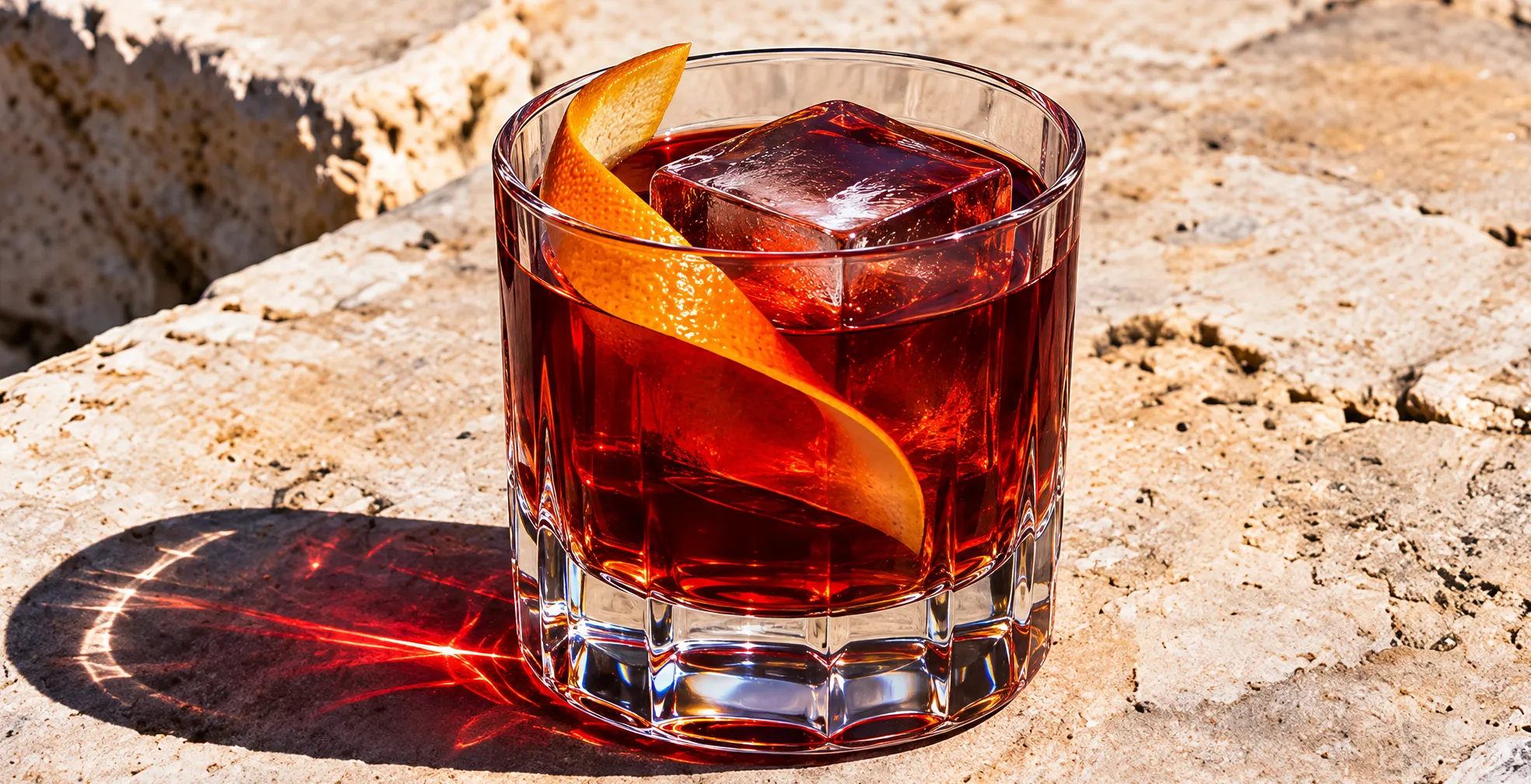
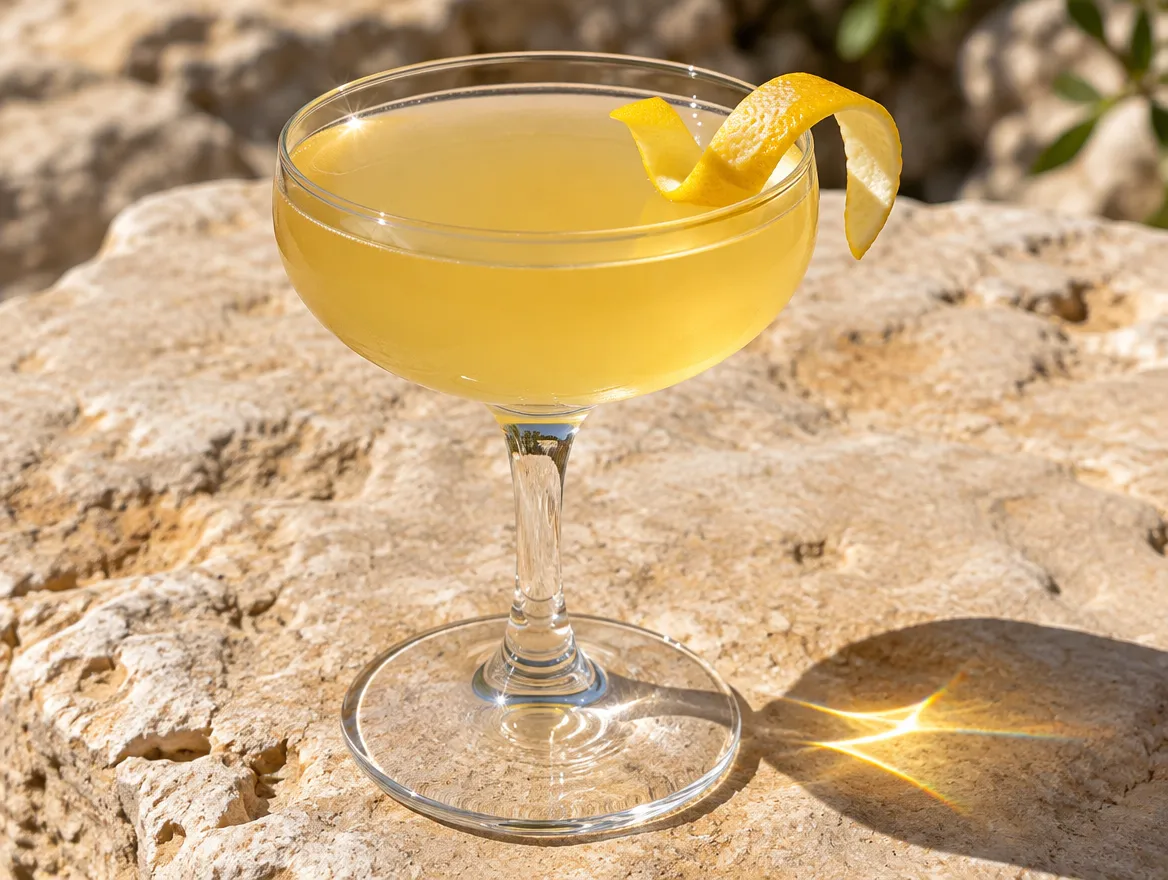
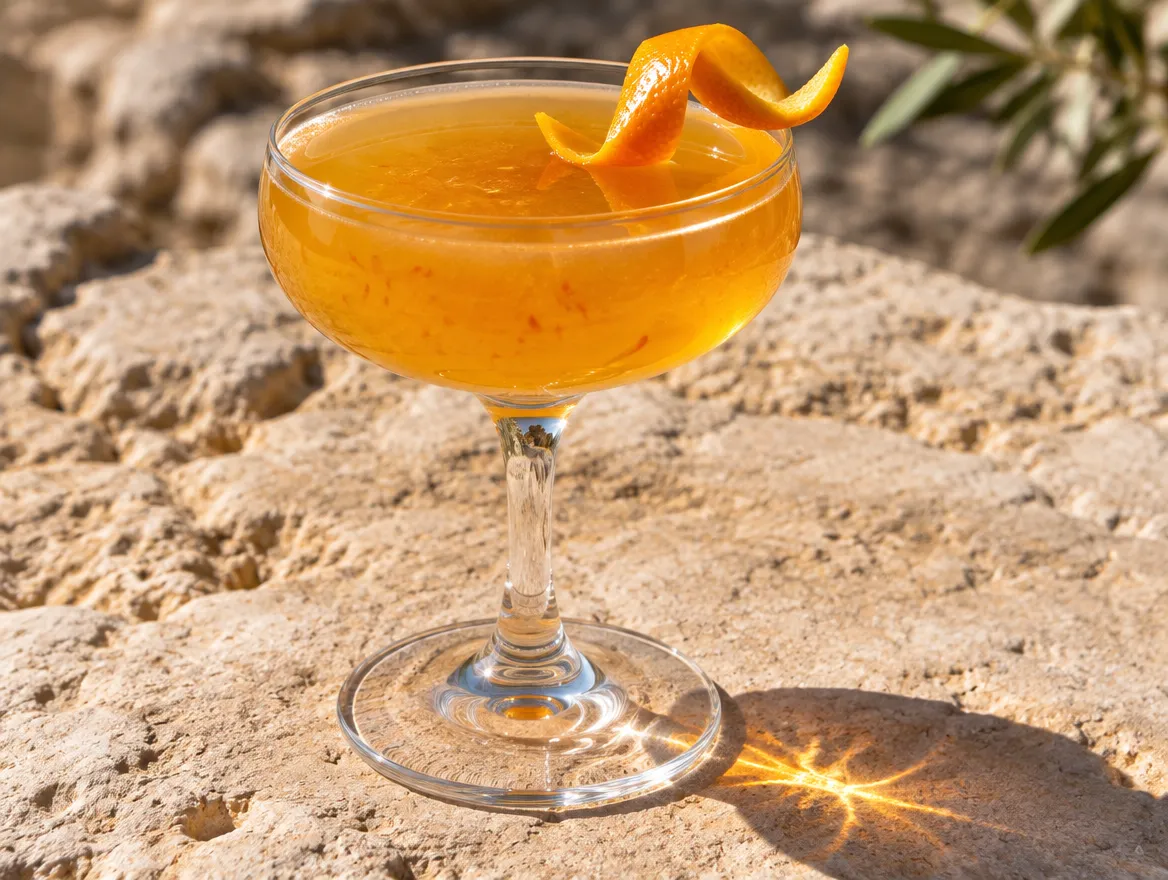
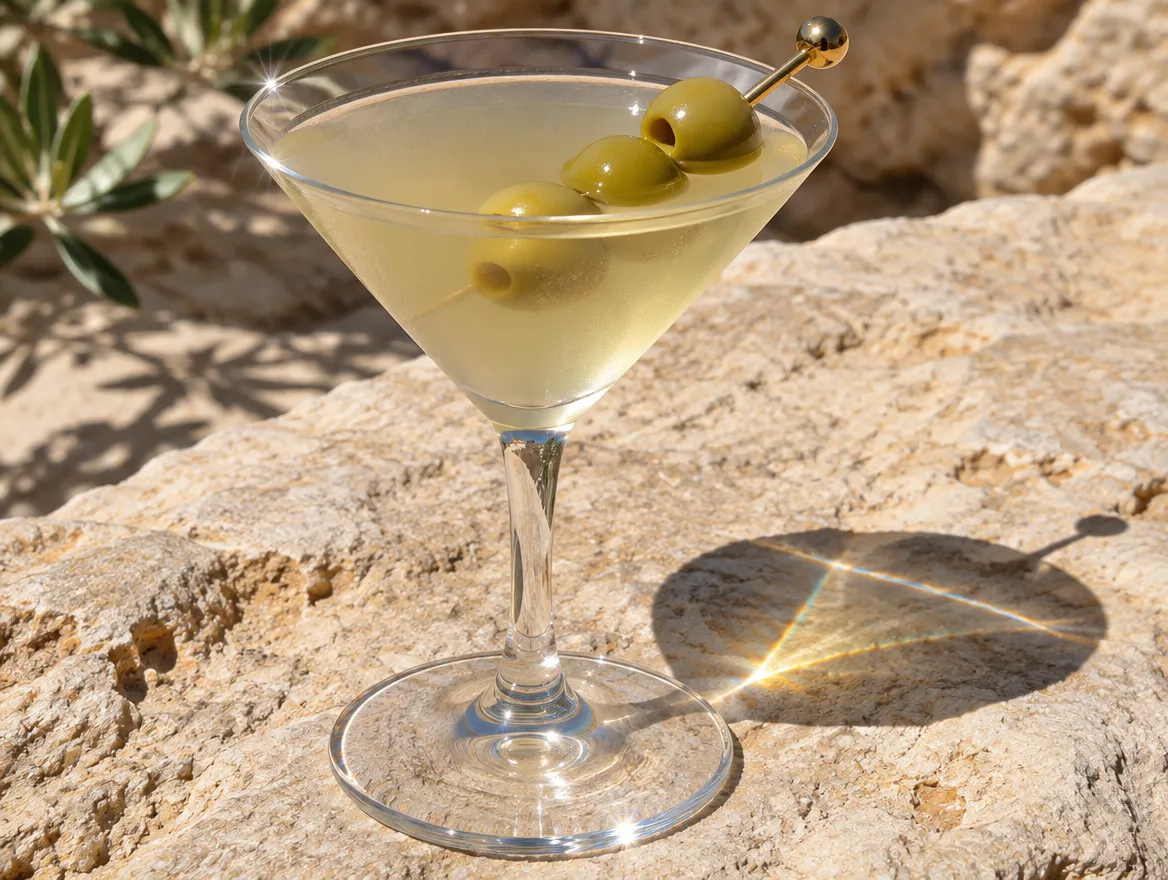
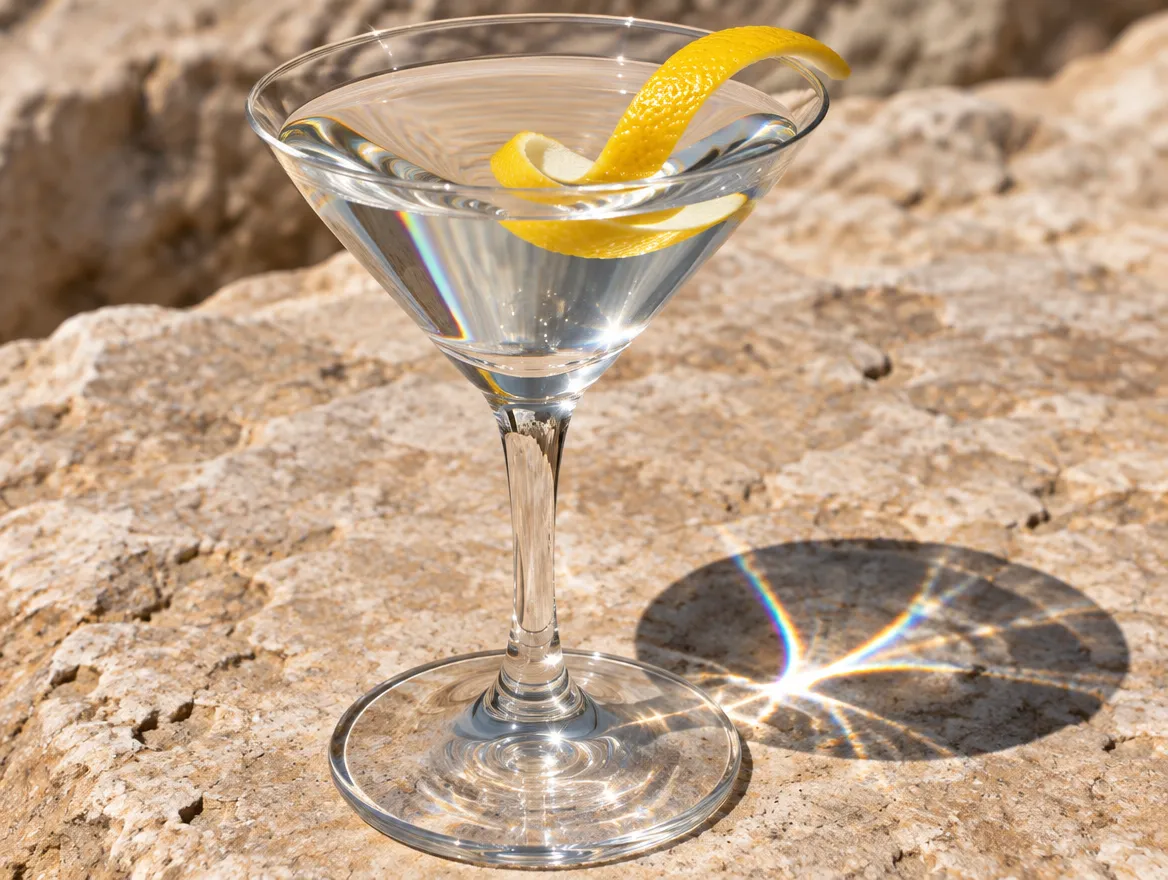
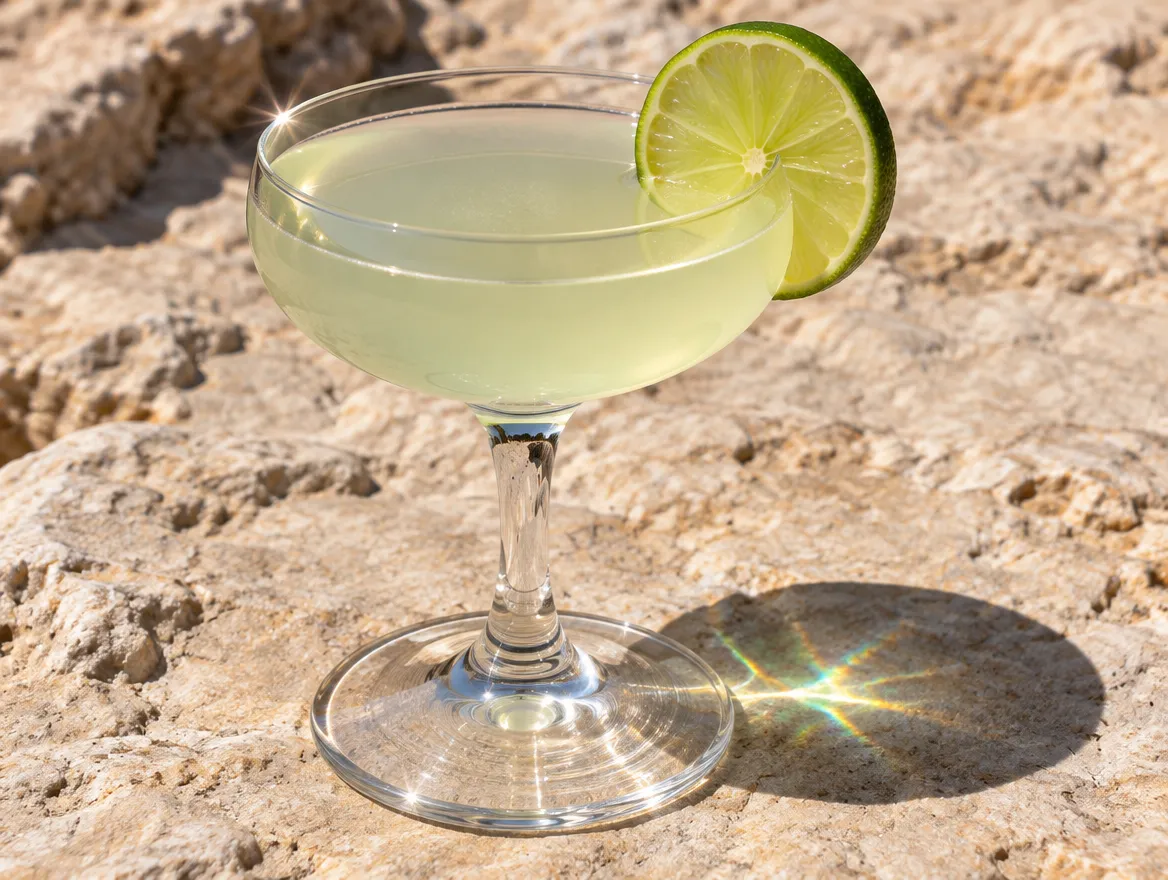
The Negroni is stirred, with 25 ml each of gin, Campari and sweet vermouth. The dry martini is stirred too, at 60 ml gin to 15 ml dry vermouth. The Gimlet, Bee's Knees and Clover Club are shaken. Use plenty of fresh, hard ice either way, because small or wet ice melts fast and waters the drink down.
How to make a better gin and tonic
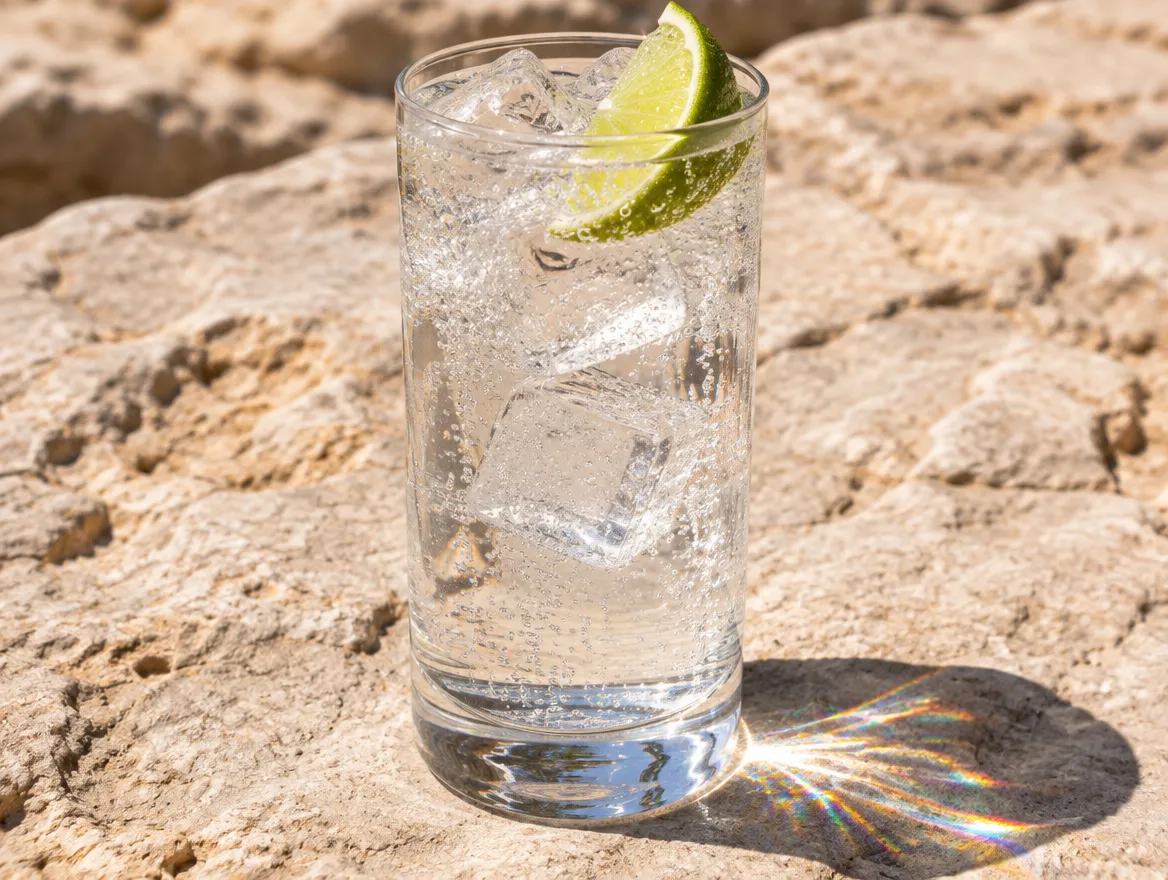
Use a ratio of 1 to 3: 50 ml of gin to 150 ml of tonic water. Fill the glass to the top with large ice cubes, pour the gin over them, then add the tonic slowly down the side of the glass so the bubbles survive. Stir once, gently.
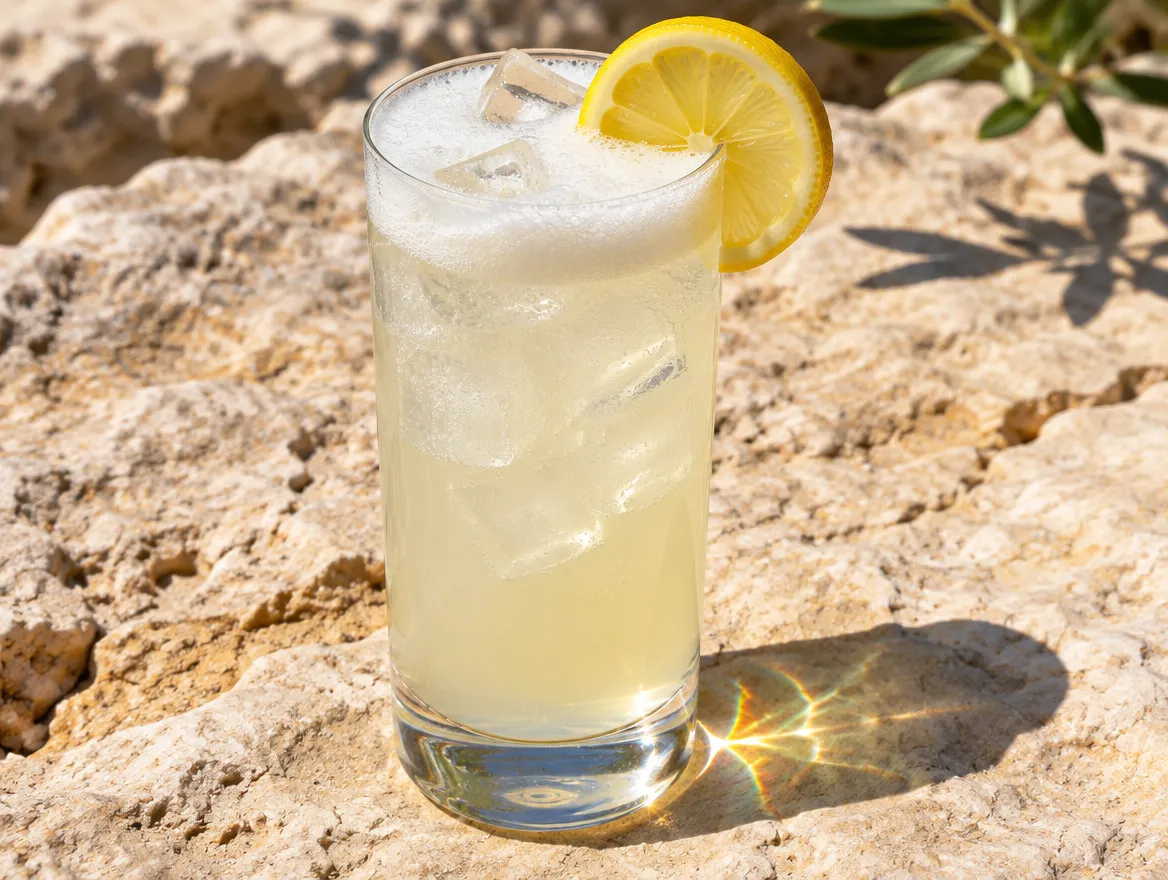
Chill the glass and the tonic first, and open a fresh bottle each time, because tonic goes flat quickly. A lime wedge is classic, but lemon or grapefruit peel, or a slice of cucumber, can suit a particular gin better. For a longer, less bitter drink, try a Tom Collins, topped with soda water.
Where to start if you are new to gin
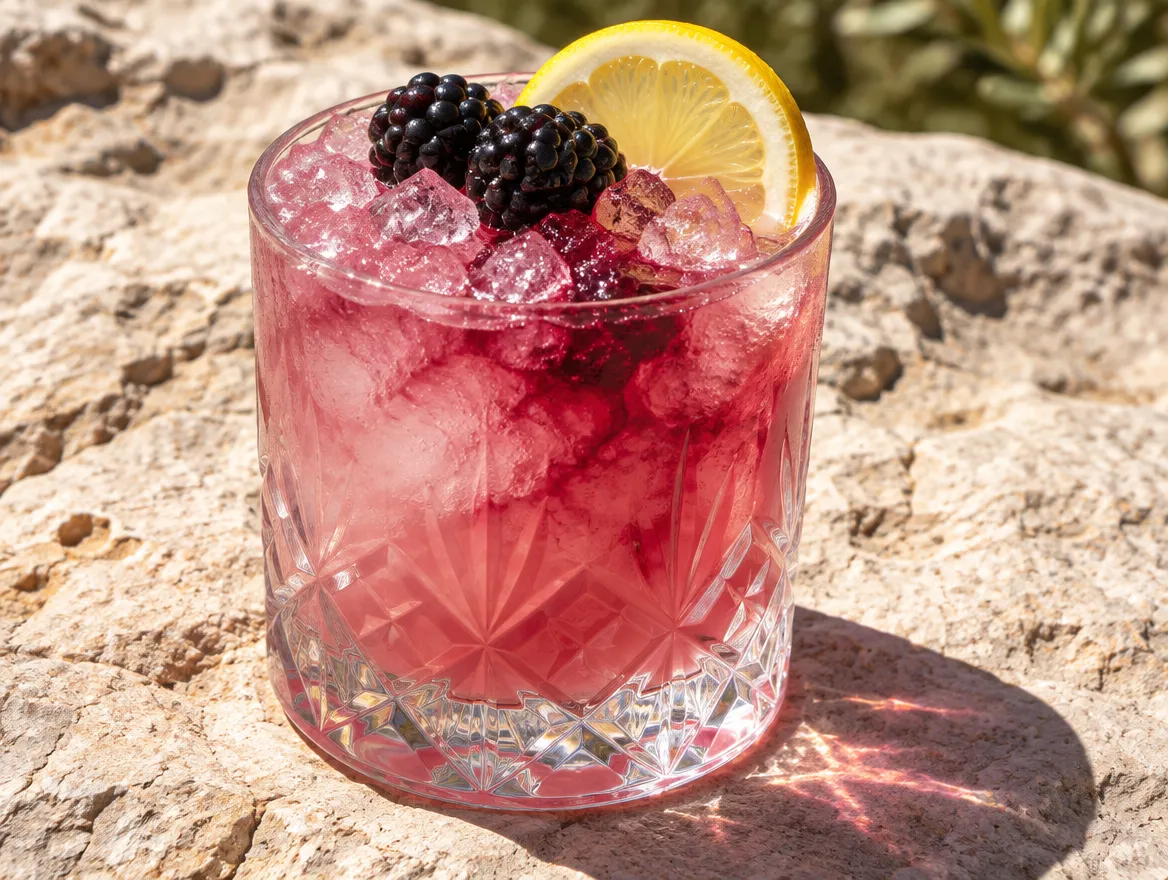
The Bramble is a friendly first shaken drink: gin, lemon, sugar syrup and blackberry liqueur over crushed ice. It is fruity and softer than a martini. The Negroni is bitter and takes some getting used to, so try a small one first.
You will find more ideas in easy cocktails, which need few ingredients and no special equipment.
Questions people ask
What is the best gin for cocktails?
A London dry gin is the best all-round choice for cocktails. It is juniper-led, dry and clean, so it works in a gin and tonic, a Negroni and a martini alike. You do not need a premium bottle for mixing, but choose one you would be happy to sip with ice.
What is the ratio for a gin and tonic?
The ratio used here is 1 part gin to 3 parts tonic: 50 ml of gin and 150 ml of chilled tonic water. Fill the glass with large ice cubes, pour the tonic gently down the side and stir once. Add a little more tonic if you want a lighter drink.
What is the easiest gin cocktail to make?
The gin and tonic is the easiest gin cocktail, with two ingredients and no equipment. If you want something with a little more to it, the Gin Fizz needs only gin, lemon juice, sugar syrup and soda water, shaken and topped up.
What is in a Negroni?
A Negroni is equal parts gin, Campari and sweet vermouth, stirred over ice and finished with an orange twist. This recipe uses 25 ml of each, served over one large ice cube in a rocks glass. It tastes bitter, herbal and slightly sweet.
Should a gin martini be shaken or stirred?
Stir it. A gin martini contains no juice or cream, so stirring chills it with less dilution and keeps it clear, while shaking makes it cloudy and a little watery. Stir 60 ml of gin and 15 ml of dry vermouth with plenty of ice until the glass is frosted.
What can you mix with gin besides tonic?
Soda water, lemon juice, sweet or dry vermouth and Campari all work well with gin. Lemon and sugar give you sours such as the Gimlet, vermouth gives you martinis and Negronis, and soda gives you a Tom Collins. Honey syrup and fruit liqueurs also pair nicely.